NotePin S lists 64GB offline and MP3 or WAV export; Fieldy and soundcore differ on deletion
Syncing and AI processing still need a connection on NotePin S. soundcore ties immediate cloud-audio deletion to Cloud Storage being disabled.
 SmartWearGuide · 2026-10-12 · Updated 2026-10-13
At a glance
The short version: recording offline isn't the same as having a transcript, and Fieldy's personal-use policy deletes audio after processing.
Do this first: follow one throwaway recording through capture, correction, export and deletion.
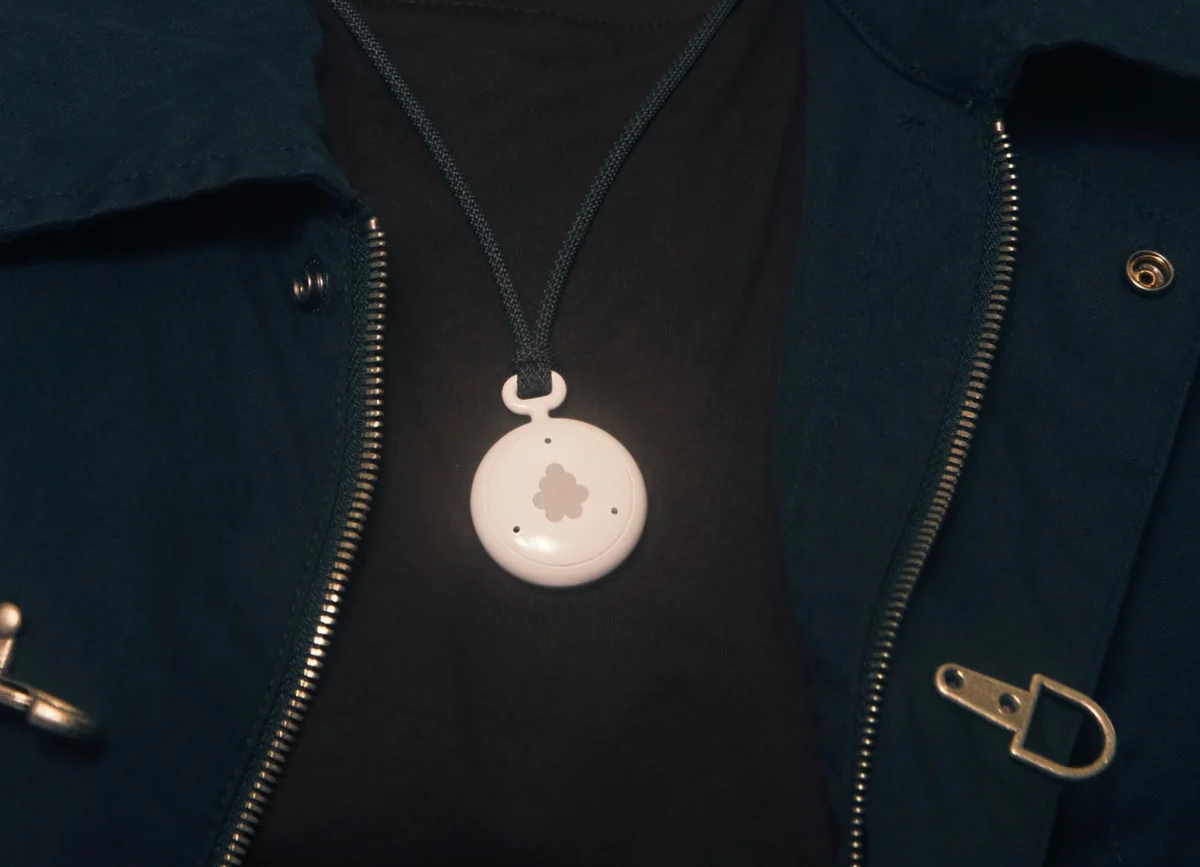
In David Pierce's September 2024 Verge test of the original NotePin, the hardware was easy to reach, yet a shopping reminder ended up stranded as a note inside another app, and importing and processing still needed attention before the result was where he needed it. An AI recorder can remove the trouble of taking notes, then hand you the trouble of managing them.[1]
Nicolas Guyot's January 2026 Clubic test of the soundcore Work found quick Android syncing after opening the app, though USB supplied charging and no file retrieval. Its sensitive button sometimes interrupted recordings or started unwanted pocket captures, and mixing French and English created editing work. A fast transfer is little consolation when part of the conversation never made it into the file.[2]
Erin Bashford's original NotePin test for Tom's Guide liked the custom prompts, then caught speaker-label mistakes, and stopping a recording sometimes meant reaching for the phone. These are historical tests of the original NotePin, and they make the case for playback and correction before you share anything.[3]
Plaud's current NotePin S support describes 64GB of offline recording storage, and its export documentation lists MP3 audio, with WAV available from the mobile app. That's useful travel flexibility, provided you keep capturing a conversation offline separate from already having a transcript: syncing and AI processing still require connectivity. Try the exported file in the software where your work actually happens.[4] [5]
Fieldy takes a different approach, and its personal-use policy says so plainly: audio is deleted after processing, while transcripts remain exportable and deletable. Organization accounts have an explicit exception allowing audio and transcripts to reach employer systems under a separate agreement. Since these are Fieldy's own stated rules, anyone who needs the original recording should settle that account distinction before buying.[6]
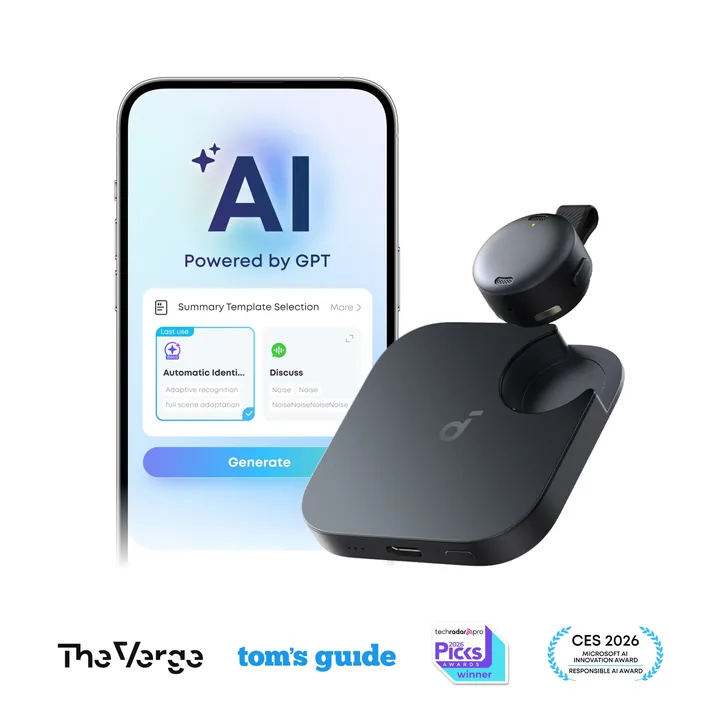
soundcore now offers a web portal, which answers the missing web app in Guyot's earlier test. It still documents no USB export, and it makes immediate cloud-audio deletion conditional on Cloud Storage being disabled. Before a real meeting depends on your recorder, follow one throwaway recording through capture, correction, export and deletion.[7]
Sources
- David Pierce / The Verge: original Plaud NotePin review ↗
- Nicolas Guyot / Clubic: soundcore Work multilingual test ↗
- Erin Bashford / Tom's Guide: original Plaud NotePin review ↗
- Plaud: NotePin S offline capture and online processing, updated September 7, 2026 ↗
- Plaud: current export formats and app/web distinction, updated September 22, 2026 ↗
- Fieldy: service processing and requested calendar changes ↗
- soundcore Work - official specifications ↗