How Nothing Ear (3) and FreeClip 2 sound on street calls, and how to test your own pair
Microphone counts tell only part of the story. Street noise, fit and even the app taking the call can change what reaches the other person.
 SmartWearGuide · 2026-10-12 · Updated 2026-10-13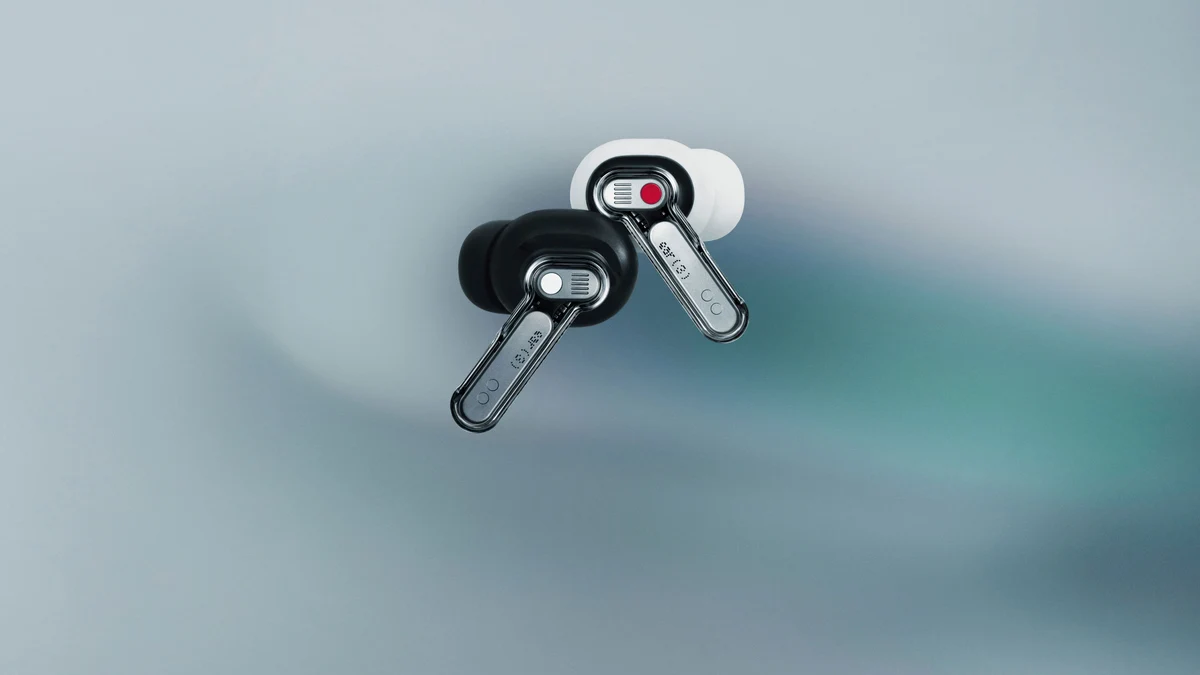
At a glance
The short version: the listener's verdict matters more than microphone count or a neat indoor recording.
Do this first: call someone on your ordinary phone and app, in a quiet room, then on a busy pavement.
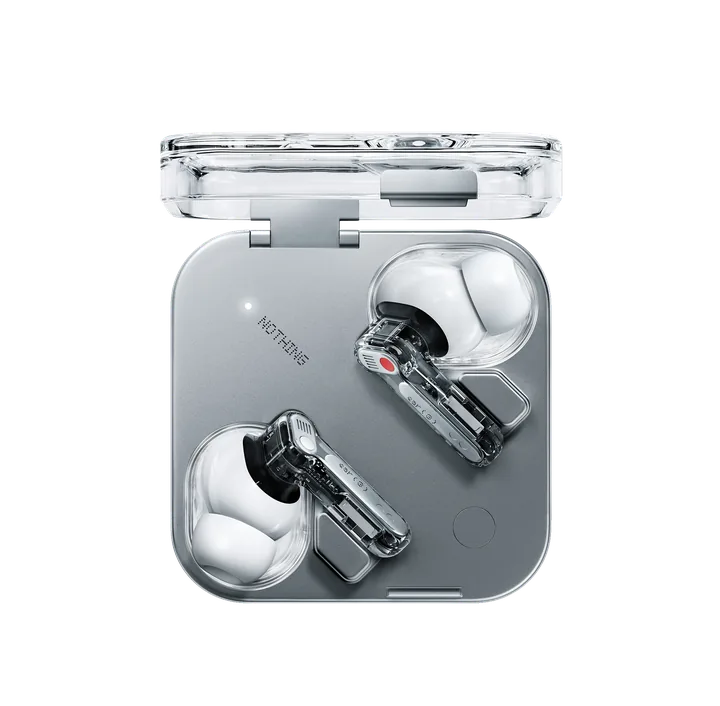
Great calls are possible on earbuds, and the tests show they depend on the microphone path, the fit and the app. In Nikita Achanta's April 2026 Tom's Guide Nothing Ear (3) test, her partner heard acceptable speech alongside passing cars and nearby chatter. Indoors, the case's Super Mic removed more distractions but left speech slightly muffled. Two microphone paths, two results: the neater indoor recording didn't make a better hands-free pavement call.[1]
SoundGuys' Adam Birney was less persuaded by the extra hardware. After a week with Ear (3) on firmware 1.0.1.59, he found the case microphone clipped less than the earbuds yet stayed processed and muffled. It suited short voice memos; holding the case near his mouth made calls awkward.[2]
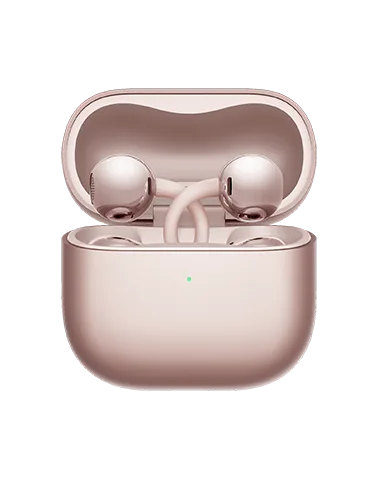
Suppressing noise is only half the job. In January 2026, Kashfia Kabir and What Hi-Fi?'s team found FreeClip 2 conversations less interrupted than the original's, even on a rainy, windy road. Voices still sounded mechanical beside AirPods 4 or a phone. That's better intelligibility in those conditions.[3]
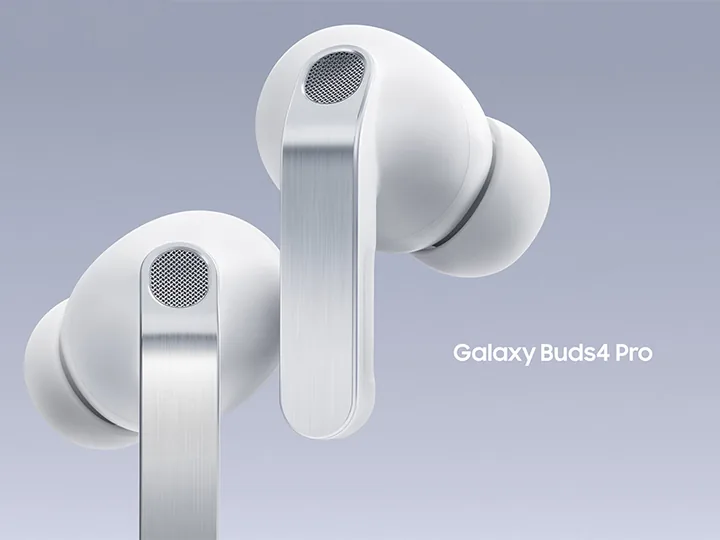
Fit can interfere before the software does. Christian Thomas's early SoundGuys Galaxy Buds4 Pro test found a poorly seated bud might not engage bone-conduction voice pickup, letting more wind and noise through, and the rejection also seemed inactive in Samsung's recorder app. The fixture was experimental and the observations came at launch, so check your current firmware and actual calling app.[4]
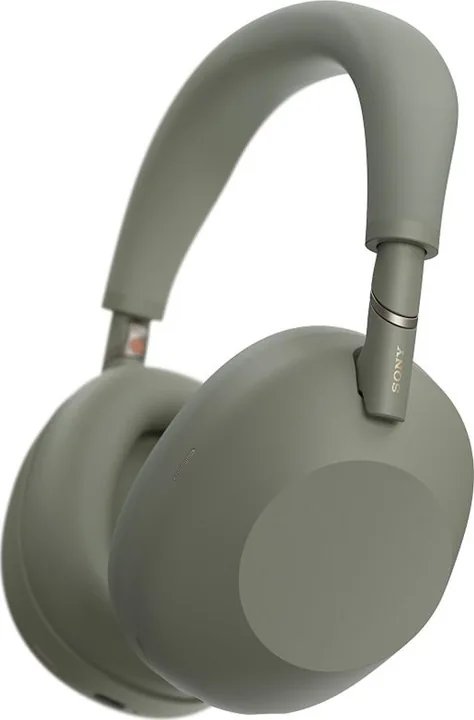
Over-ears offer another option. In his 2025 five-day SoundGuys WH-1000XM6 review, Thomas praised wind handling in simulated microphone samples. That's useful evidence for a calling shortlist, though these were lab recordings, not a long outdoor study.[5]
Use the return window to recruit the person who actually hears your microphone. Call them from your ordinary phone and app, first in a quiet room, then on a busy pavement and in light wind. Speak normally and check whether a special mode still leaves your hands free. Test recording separately if you need it: the app may select a different input. The recipient's verdict matters more than the microphone count.