
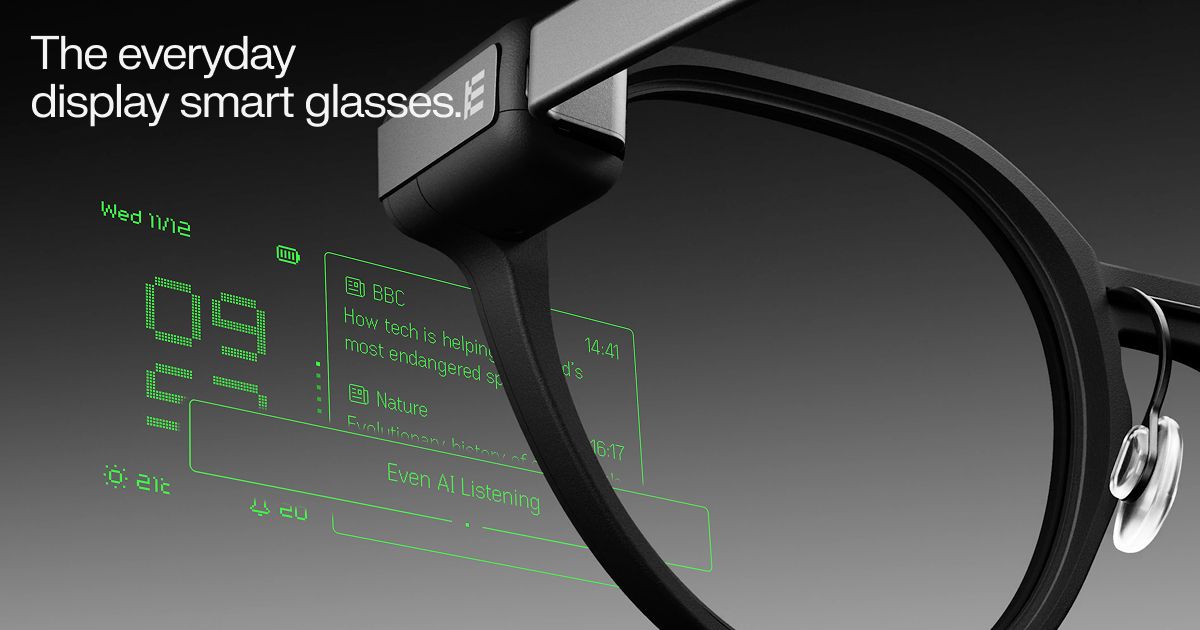
 Smart glasses
Why a wider AR view can make everyday glasses harder to build.
Inside a waveguide, brightness, fit and field of view compete for the same light. That is why one headline specification cannot explain the best design.
How the hardware works and why it matters.
5 articles
Smart glassesInside a waveguide, brightness, fit and field of view compete for the same light. That is why one headline specification cannot explain the best design.
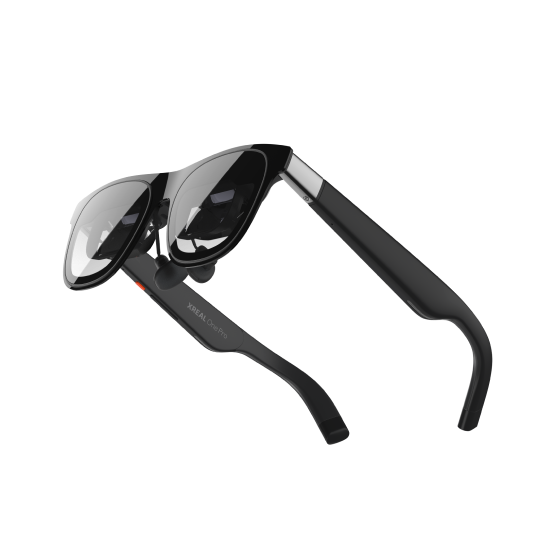 Smart glasses
Tiny displays serve very different optical systems. Understanding where brightness is measured makes the spectacular numbers much less confusing.
Smart glassesPhotochromic and electrochromic lenses can both darken, but one responds to light and the other to a control signal. For AR, that difference changes image contrast.
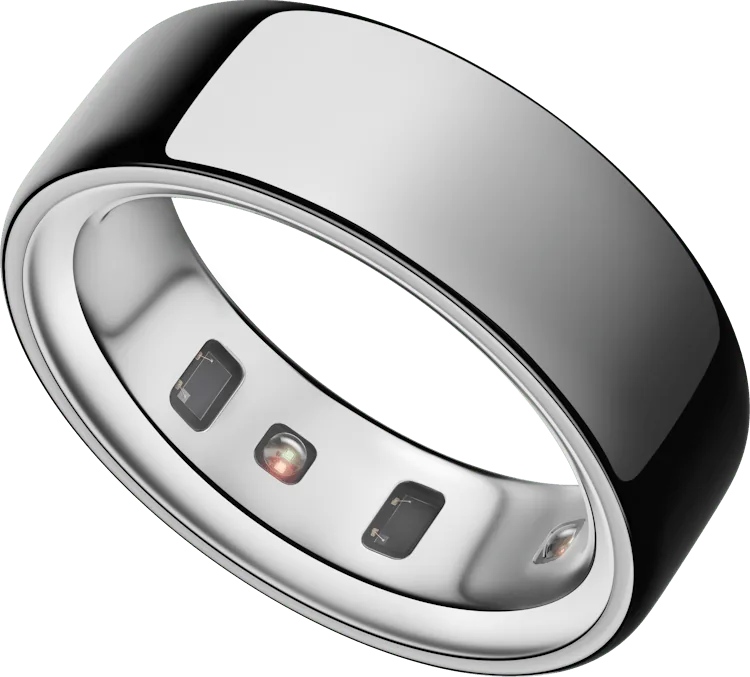 Fitness wearables
A tiny optical signal becomes heart rate, variability and sleep insights through several layers of inference. Here is what those layers can and cannot tell you.
 Fitness wearables
Electrical and optical trackers observe different parts of a heartbeat. Research shows why placement, movement and the reference device matter more than blanket accuracy claims.