
Our Top 10 Health sensors and monitoring
Ten use-case selections, with consumer tools and clinical options clearly separated.
Browse & filter Categories, features & sorting
How price order works
Lowest recorded store prices take priority over announced or launch prices, within the selected source market. Currencies use the dated EUR reference rates. Deposits and recurring charges are excluded from price order; missing prices stay last. Original price records remain visible.
10 current selections
 01First ranking$99 USD≈ €88 EURECB 2026-10-13US · Store price · ListedPrice checked 2026-10-12
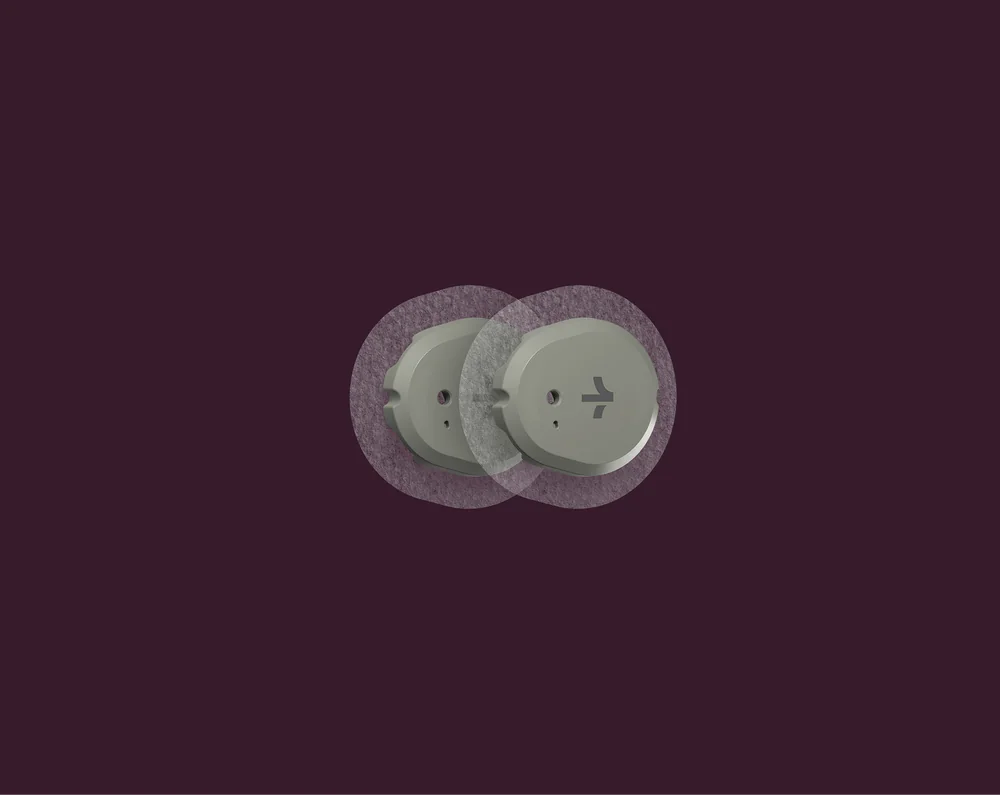
Stelo makes continuous glucose information accessible without a US prescription, but its appeal depends on who is wearing it. Our selection here is for adults who do not use insulin and do not have problematic hypoglycaemia. For that group, seeing a sequence of readings can provide more context than an isolated measurement. It is not a substitute for an insulin-management CGM with the appropriate alarms.
The practical strength is a clearly defined self-service workflow: apply the upper-arm sensor, connect a compatible phone and examine patterns over a stated wear period of up to 15 days. The useful question is whether those observations help the wearer discuss a specific issue or make a sustainable change, rather than whether every meal produces a perfectly flat graph.
There is a labelling difference to resolve: FDA expanded Stelo clearance to ages two and over in June 2026, while the current consumer page still states 18+. This selection is deliberately for adults. Families should obtain the current paediatric instructions and caregiver workflow.
Why #1Our first consumer-access pick for its defined audience and straightforward purpose, not a claim of superior clinical accuracy or suitability for everybody.
The compromiseOngoing sensor replacements are part of ownership. Check phone compatibility and the exact eligibility wording; do not use this ranking to change medication or treat low glucose.
Release date not verified [1]Documented product in the stated source market; destination availability and checkout not tested.Exact initial release date is not established in this review brief. Current catalogue status is Released; clinical eligibility and local access may differ.Evidence and original sources
Manufacturer-based technical brief. No exact-model independent hands-on test verified for this entry; SmartWearGuide has not tested it.
 02First rankingKeeping a consistent home blood-pressure record
Withings BPM Connect
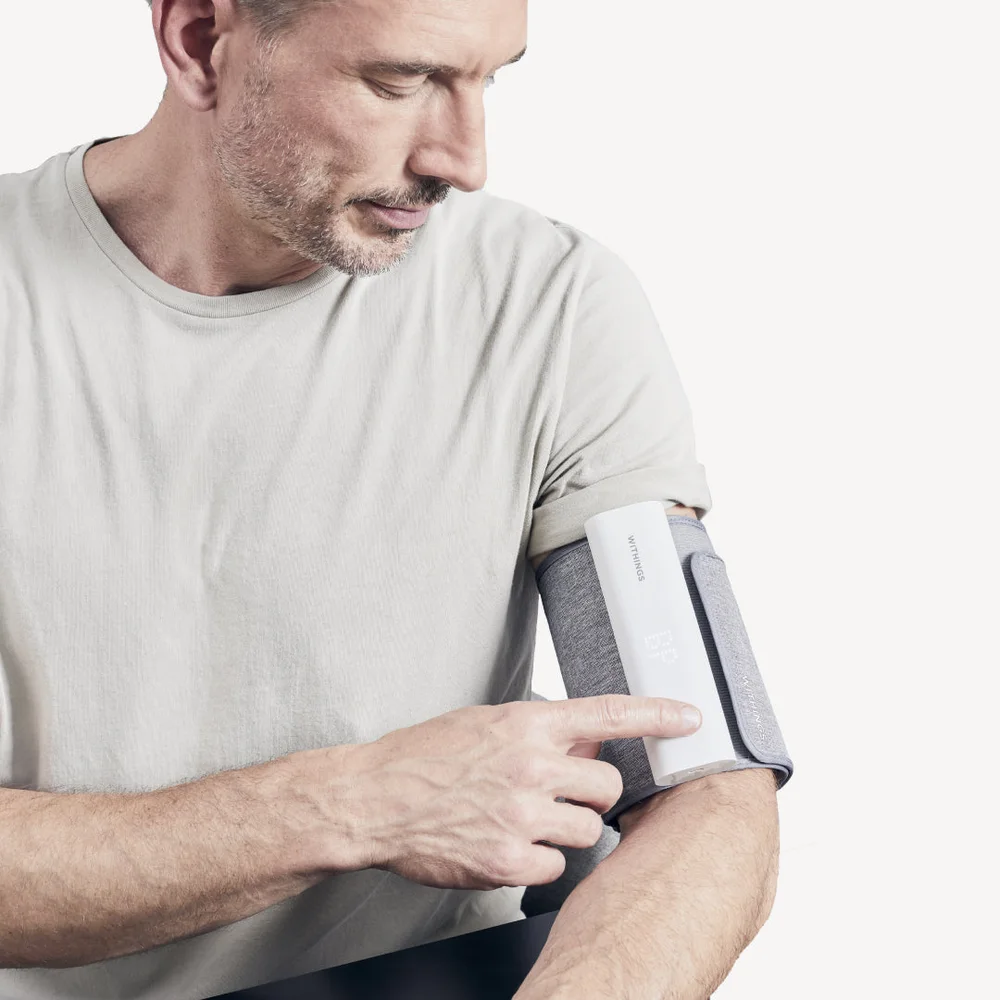
ReleasedSpecifications-led selection$129.95 USD≈ €116 EURECB 2026-10-13US · Store price · Manufacturer listing; checkout and exact stock not independently verifiedPrice checked 2026-10-13BPM Connect earns its place by making an ordinary measurement easier to keep. An upper-arm cuff, built-in display and automatic synchronisation are more useful for a home blood-pressure routine than a watch making an unexplained estimate. Wi-Fi means the phone need not be the centre of every measurement, while the compact integrated unit is straightforward to store.
Its strongest specification is not a flashy sensor count but a documented 22-42 cm arm range. That immediately tells a buyer whether the standard cuff could fit. The manufacturer's six-month battery estimate also makes occasional charging plausible rather than another daily task. Positioning, resting and repeat measurements still matter; an app cannot rescue a poorly fitted cuff.
Compare Connect with BPM Vision if a larger separate display or a different cuff arrangement would make readings easier. Connect's integrated form is the attraction here; automatic synchronisation is most valuable when it helps keep a consistent record rather than generating measurements taken in a hurry.
Why #2High for a clear, repeatable home-measurement job and visible results. It is a session-worn cuff, not a continuous wrist tracker.
The compromiseThe arm-size range excludes some users, and this generation uses Micro-USB. Discuss unusual readings with a clinician; sharing a graph does not establish a diagnosis.
Release date not verified [1]Documented product in the stated source market; destination availability and checkout not tested.Exact initial release date is not established in this review brief. Current catalogue status is Released; clinical eligibility and local access may differ.Evidence and original sources
Manufacturer-based technical brief. No exact-model independent hands-on test verified for this entry; SmartWearGuide has not tested it.
 03First ranking$54 USD≈ €48 EURECB 2026-10-13US · Store price · ListedPrice checked 2026-10-12
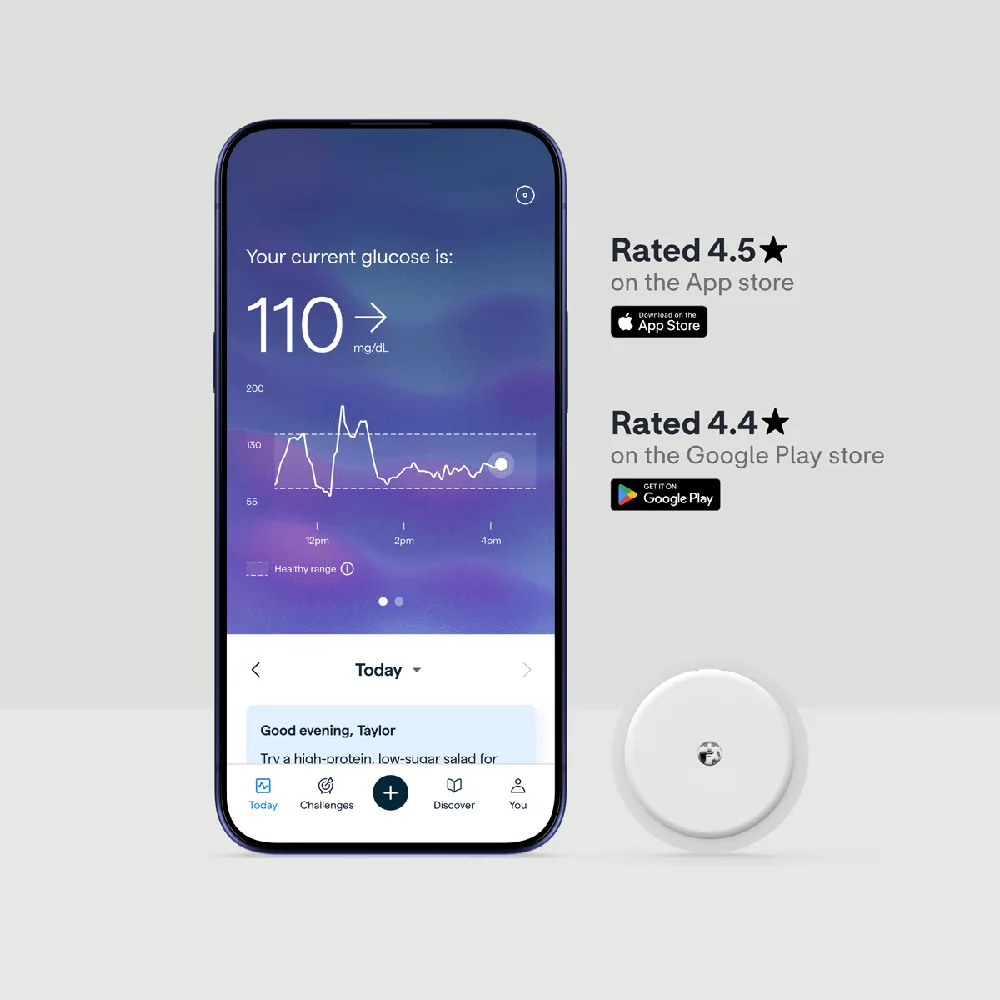
Lingo is most interesting as a behaviour-feedback tool, not a diabetes-treatment replacement. The upper-arm sensor supplies frequent interstitial-glucose readings to a wellness app for adults who do not use insulin. That can make the relationship between a meal, a walk and the following glucose pattern easier to see without repeatedly taking individual measurements.
Abbott documents up to 14 days of wear and a 60-minute warm-up. Those details translate into a multi-day routine rather than an instant answer when the applicator is opened. The app's interpretation is part of the product, so the buying decision should include whether its coaching style is helpful and whether its data practices are acceptable to the user.
The purchase plan deserves as much attention as the app. The current shop distinguishes non-renewing short plans from an automatically renewing longer subscription. A short, purposeful trial may answer whether the feedback is useful before committing to repeated sensor wear and continuing payments.
Why #3Third for a distinct consumer wellness workflow. Stelo takes the earlier slot for its explicitly defined OTC audience; neither is ranked as a universal medical upgrade.
The compromiseRepeated sensors create a continuing cost and skin-contact commitment. A response to one meal is not a diagnosis or proof that a particular food is unhealthy.
Release date not verified [1]Documented product in the stated source market; destination availability and checkout not tested.Exact initial release date is not established in this review brief. Current catalogue status is Released; clinical eligibility and local access may differ.Evidence and original sources
Manufacturer-based technical brief. No exact-model independent hands-on test verified for this entry; SmartWearGuide has not tested it.
 04First rankingAthletes comparing sweat losses during longer sessions
Nix Hydration Biosensor
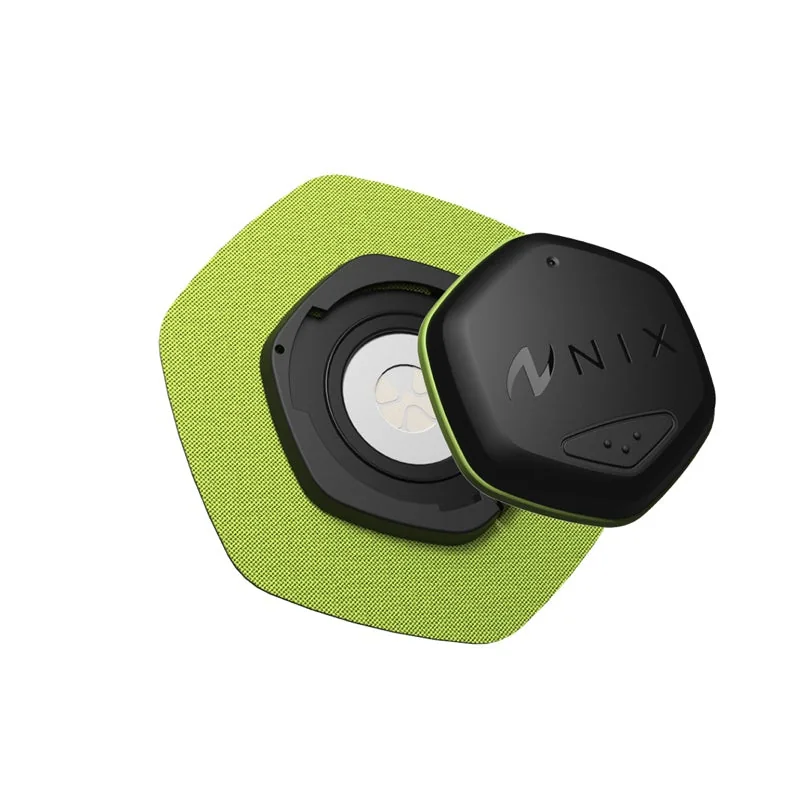
ReleasedSpecifications-led selection$189 USD≈ €169 EURECB 2026-10-13US · Store price · ListedPrice checked 2026-10-12Nix tackles a specific training question: how much fluid and electrolyte might a long workout be costing you? A reusable pod sits on a disposable sweat patch, turning the session into a source of feedback rather than relying only on thirst or a generic drinking schedule. It makes most sense for sustained exercise with enough sweating to produce usable data.
The consumable patch is central to the ownership calculation. A new patch for each session means frequent users should budget beyond the starter kit, and the maker recommends workouts of at least 45 minutes. Tash Cooper-Smith's Precision Fuel & Hydration report found Nix underestimated sweat rate in its tests. That is a relevant caution, though the publisher also sells hydration products and testing, so it is not a commercially neutral clinical validation.
The pod can be reused, but the patch cannot. Work out how often you actually perform a long, sweaty session before treating the starter-kit price as the total cost. For short gym visits or low-sweat activities, the sensing method may add little useful information.
Why #4Selected for a distinctive sports use case that a general watch does not address. Its narrower operating conditions put it below broadly useful measurement tools.
The compromiseSweat production and patch placement constrain usefulness. Do not equate a local sweat reading with a direct measurement of whole-body hydration or a medical assessment.
Release date not verified [1]Documented product in the stated source market; destination availability and checkout not tested.Exact initial release date is not established in this review brief. Current catalogue status is Released; clinical eligibility and local access may differ.Evidence and original sources
Manufacturer documentation plus testing published by a hydration vendor with a commercial interest; not independent clinical validation.
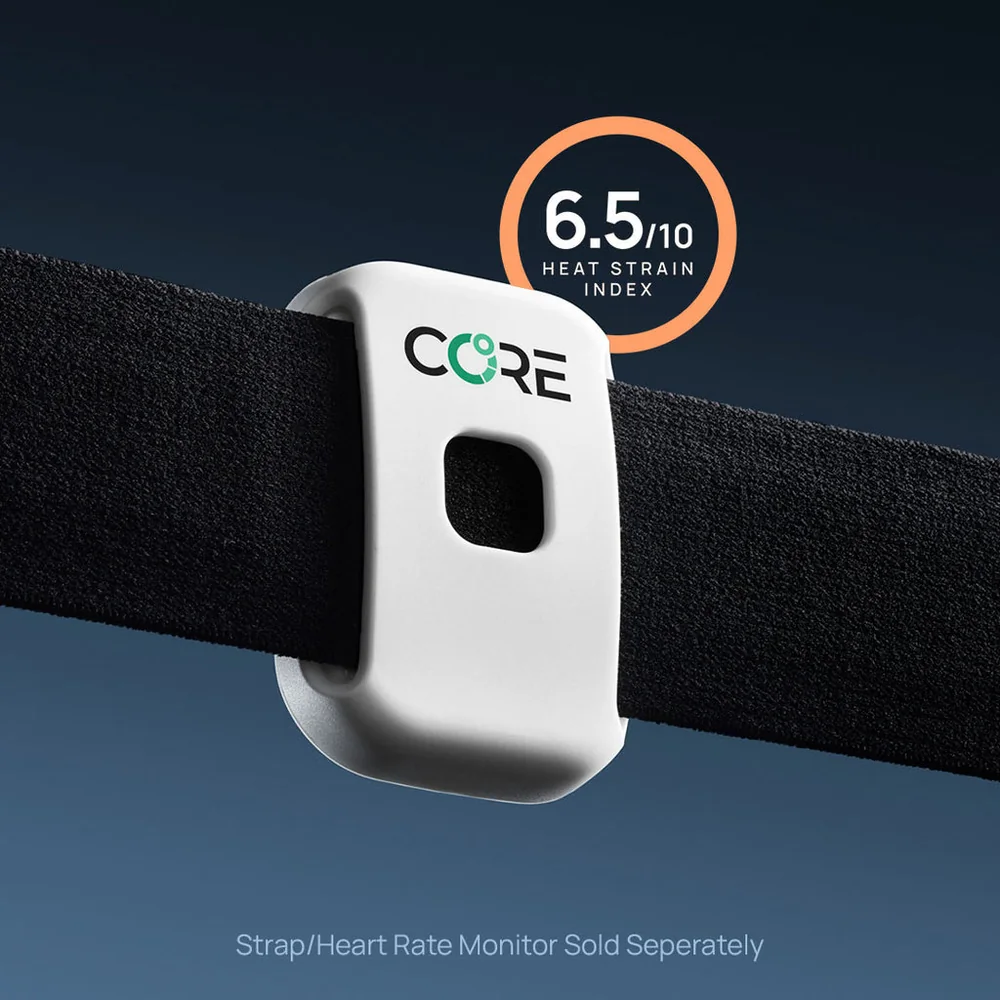 05First rankingCHF 269.95 CHF≈ €290 EUR · $324 USDECB 2026-10-13CH · Store price · ListedPrice checked 2026-10-12
CORE 2 is a training instrument for people who already know why they want temperature feedback. It estimates core temperature from thermal energy transfer and skin temperature while attached to a compatible body-worn strap. That creates a different view of an exercise session from pace and heart rate alone, particularly when heat changes how hard the same workload feels.
The important word is estimated. A convenient external sensor is not the same measurement as an internal thermometer, and a dramatic graph is not a reason to push through symptoms. Its appeal is the ability to observe trends in a planned training context and compare sessions using the same setup. Strap fit, placement and the supported display workflow should be checked before buying.
A cyclist who already watches heart rate on a head unit has a different setup problem from a runner relying on a wrist display. Confirm how the temperature field reaches that screen and whether it is readable during training, not just after synchronisation.
Why #5Fifth as a focused athletic tool with a clear measurement purpose. It is less broadly useful than a home cuff or eligible glucose system.
The compromiseThis is not a fever diagnosis or heat-stroke safety guarantee. Training decisions need context, and exact compatibility with the intended watch or cycling computer should be confirmed.
Release date not verified [1]Documented product in the stated source market; destination availability and checkout not tested.Exact initial release date is not established in this review brief. Current catalogue status is Released; clinical eligibility and local access may differ.Evidence and original sources
Manufacturer-based technical brief. No exact-model independent hands-on test verified for this entry; SmartWearGuide has not tested it.
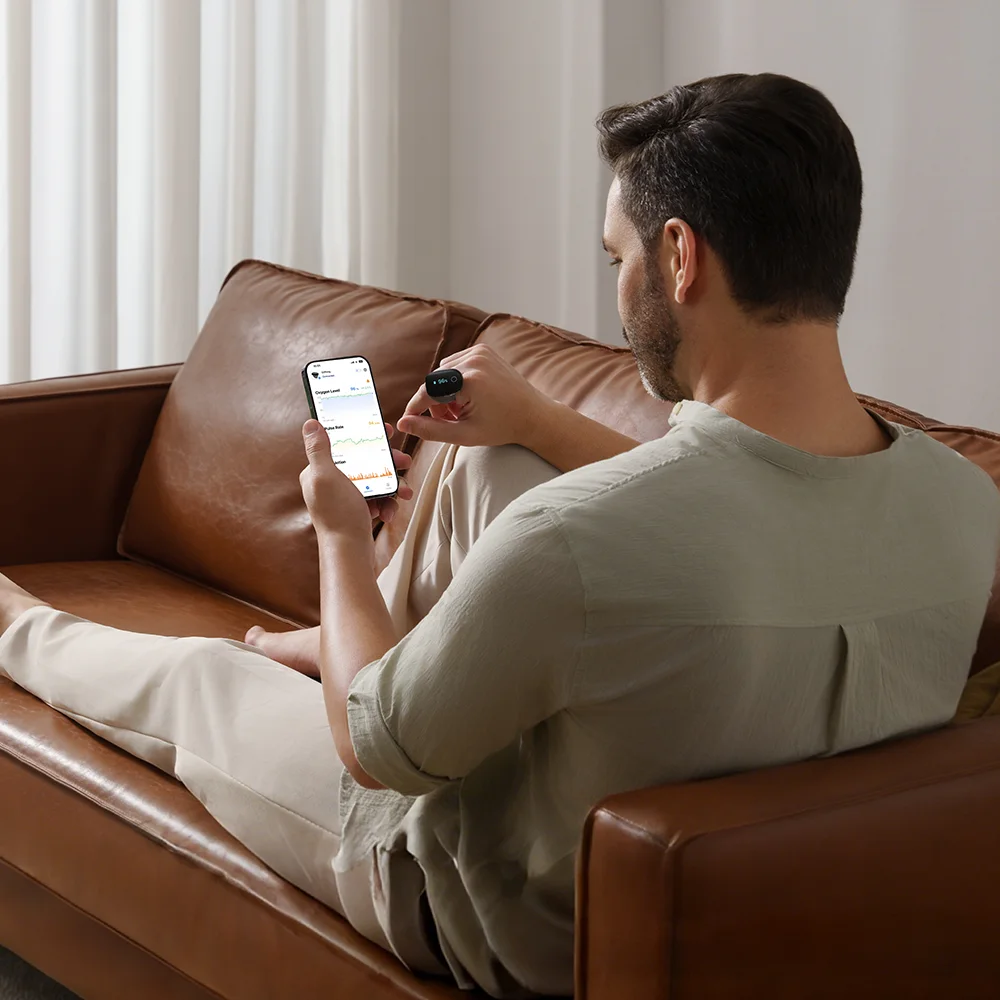 06First rankingAdults wanting overnight oxygen and pulse trend reports
Wellue O2Ring
ReleasedSpecifications-led selection$152.90 USD≈ €137 EURECB 2026-10-13US · New · Store price · Manufacturer listing; checkout and stock not independently verifiedPrice checked 2026-10-12O2Ring moves optical oxygen and pulse recording into a soft finger-worn form. For someone specifically interested in overnight trends, that is a more focused proposition than buying a general smartwatch and hoping its overnight graph answers the same question. The ring form also avoids a separate recorder on the wrist, though comfort remains individual.
Wellue specifies second-by-second capture, reports at four-second intervals and vibration settings for oxygen or pulse thresholds. These are concrete workflow advantages: record a session, inspect the report and retain something that can be discussed with a professional. They do not establish that the device can diagnose sleep apnoea or that every low value represents a true event.
The vibration function may be the reason to buy or the reason to avoid it. Someone interested only in a record may prefer uninterrupted capture, while another user may want a threshold prompt. Check which settings and exports are available in the intended app version.
Why #6Chosen for a simple general-wellness recording workflow and report access. Its interpretation limits keep it below tools with a more clearly defined measurement decision.
The compromiseMotion, fit and measurement conditions can affect optical readings. The stated 12-16-hour battery window is a manufacturer figure, and vibration can itself interrupt sleep.
Release date not verified [1]Documented product in the stated source market; destination availability and checkout not tested.Exact initial release date is not established in this review brief. Current catalogue status is Released; clinical eligibility and local access may differ.Evidence and original sources
Manufacturer-based technical brief. No exact-model independent hands-on test verified for this entry; SmartWearGuide has not tested it.
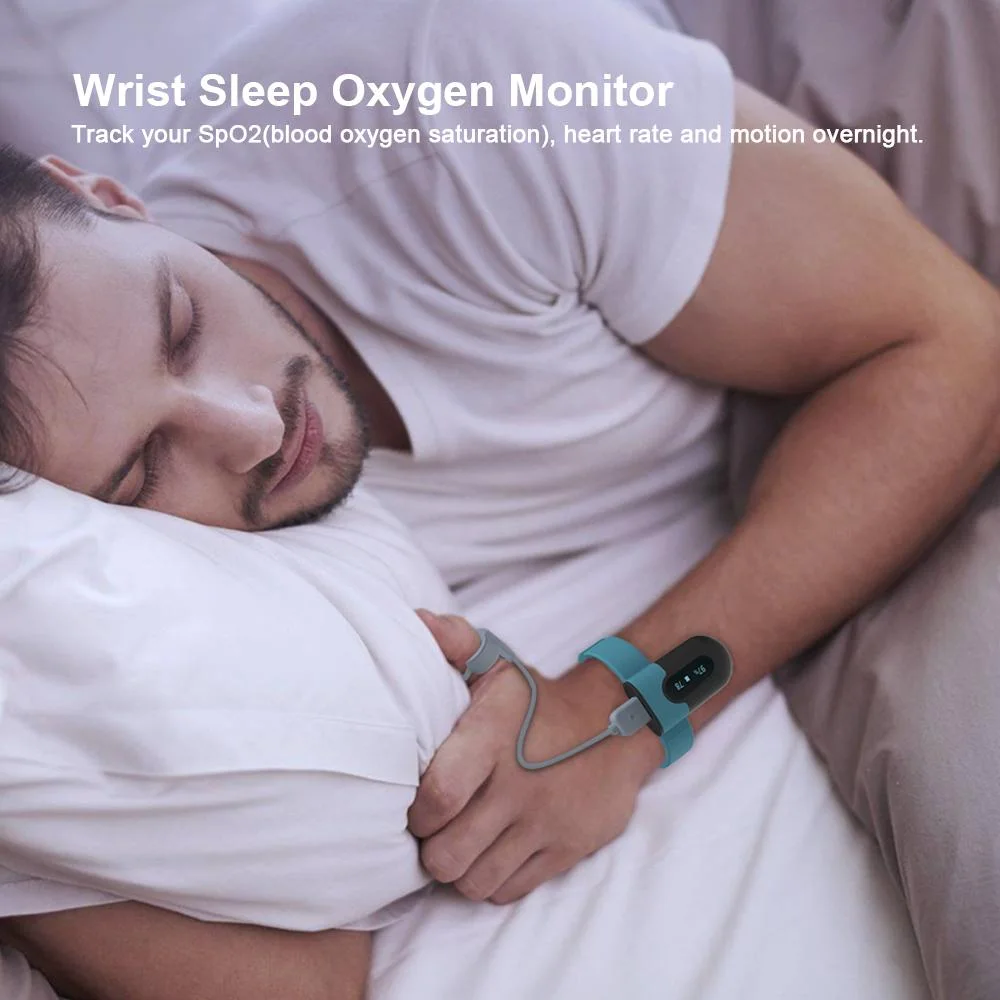 07First ranking$149 USD≈ €133 EURECB 2026-10-13US · New · Store price · Manufacturer listing; checkout and stock not independently verifiedPrice checked 2026-10-12
SleepU separates the optical finger sensor from the recorder worn at the wrist. That gives people who dislike a larger self-contained finger device another way to record overnight oxygen and pulse trends. Its strongest everyday feature is report handling: Wellue documents phone and computer access with PDF and CSV export rather than leaving the information trapped in a single summary score.
A wrist unit and connecting sensor also mean more equipment to position comfortably. The current manufacturer page states 16 hours of typical operation and 2.5 hours to charge. That supports planning a full-night session, but it is not an independently measured promise in this brief. For a buyer, a usable full-night record and readable export matter more than the appearance of the app.
CSV export is particularly relevant if you need to retain the recorded sequence rather than just a screenshot. PDF may be easier to discuss at an appointment. Neither format improves the underlying measurement, but both can make the record easier to inspect and explain.
Why #7Seventh as an alternative fit and reporting arrangement to O2Ring. Choose between the two by wear comfort and workflow rather than assuming a higher rank means better clinical performance.
The compromiseThis remains general-wellness trend recording, not an apnoea diagnosis. More body-worn parts may suit some sleepers poorly; current phone and desktop requirements should be checked.
Release date not verified [1]Documented product in the stated source market; destination availability and checkout not tested.Exact initial release date is not established in this review brief. Current catalogue status is Released; clinical eligibility and local access may differ.Evidence and original sources
Manufacturer-based technical brief. No exact-model independent hands-on test verified for this entry; SmartWearGuide has not tested it.
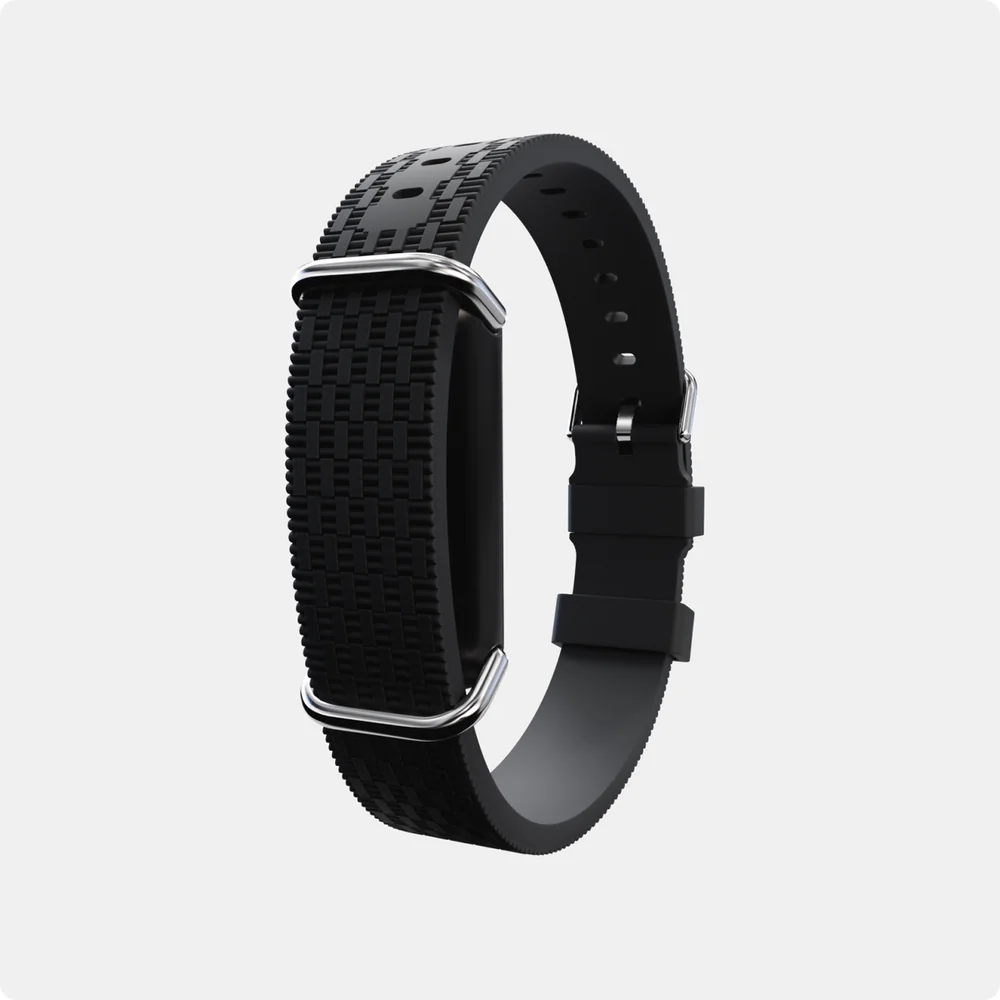 08First ranking£199.98 GBP≈ €237 EUR · $265 USDECB 2026-10-13UK · Membership bundle · ListedPrice checked 2026-10-12
Hilo offers a different compromise from a conventional cuff: a light optical band intended to collect blood-pressure information across daily life, with a cuff used for calibration. That can make patterns outside scheduled measurement sessions visible. The relevant product here is the UK/European medical-device version, not the separately labelled US Hilo Core wellness product.
The calibration cuff is part of the system rather than an accessory that can be ignored after unboxing. A buyer must be willing to follow the current calibration instructions and use a compatible phone. The documented 16 g band and up-to-15-day runtime are attractive for sustained wear, but our selection does not turn those specifications into a claim of independent accuracy superiority.
Hilo's current instructions exclude some users, including people under 21 or over 85, pregnancy and certain circulatory or rhythm conditions. Those eligibility limits come before the attractive band weight. An ordinary validated cuff may be the more appropriate and simpler option for a different user.
Why #8Included for day-and-night trend collection with a clearly identified regional product. Lower placement reflects the additional calibration and eligibility demands compared with an ordinary upper-arm cuff.
The compromiseVerify supported country, current indication and calibration schedule. Do not transfer the European medical-device description to Hilo Core or use the ranking as a treatment recommendation.
Release date not verified [1]Documented product in the stated source market; destination availability and checkout not tested.Exact initial release date is not established in this review brief. Current catalogue status is Released; clinical eligibility and local access may differ.Evidence and original sources
Manufacturer-based technical brief. No exact-model independent hands-on test verified for this entry; SmartWearGuide has not tested it.
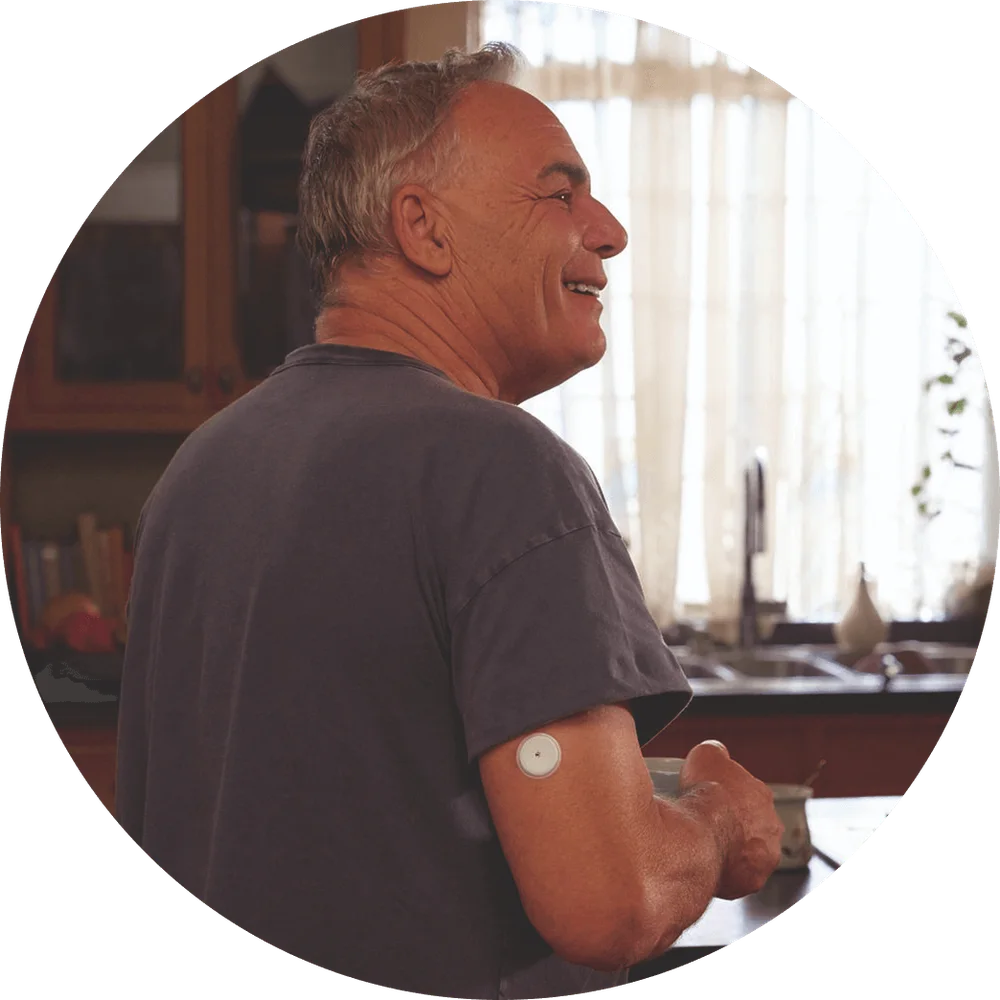 09First rankingEligible UK diabetes users comparing a prescribed sensor workflow
Abbott FreeStyle Libre 2 Plus
ReleasedSpecifications-led selectionPrice not verifiedFreeStyle Libre 2 Plus belongs in a clinical discussion, not an impulse-purchase list for healthy users. Abbott's UK documentation describes a 15-day upper-arm glucose sensor, readings to a compatible LibreLink app and optional high or low alarms. Its appeal is a defined monitoring system with an established reader or phone workflow, subject to the user's care plan.
The practical choice involves more than sensor life: the exact app, reader, alarm arrangement and any proposed pump integration must match the prescribed configuration. UK labelling describes users aged two and over, with caregiver supervision requirements for younger children. Those boundaries matter more than an international headline suggesting that one sensor is suitable for everybody everywhere.
An existing Libre user should check the actual reader and app instructions instead of assuming every generation has identical behaviour. The value of a familiar interface can be substantial, but only when the exact sensor, alarms and any linked treatment system are supported together.
Why #9A clinical spotlight placed after general consumer tools. Position is editorial navigation, not a comparison of treatment efficacy against Stelo, Lingo or another prescribed CGM.
The compromisePrescription, reimbursement, age and integration rules vary by market. Discuss selection with the treating team; do not infer compatibility from another Libre generation's specifications.
Release date not verified [1]Documented product in the stated source market; destination availability and checkout not tested.Exact initial release date is not established in this review brief. Current catalogue status is Released; clinical eligibility and local access may differ.Evidence and original sources
Manufacturer-based technical brief. No exact-model independent hands-on test verified for this entry; SmartWearGuide has not tested it.
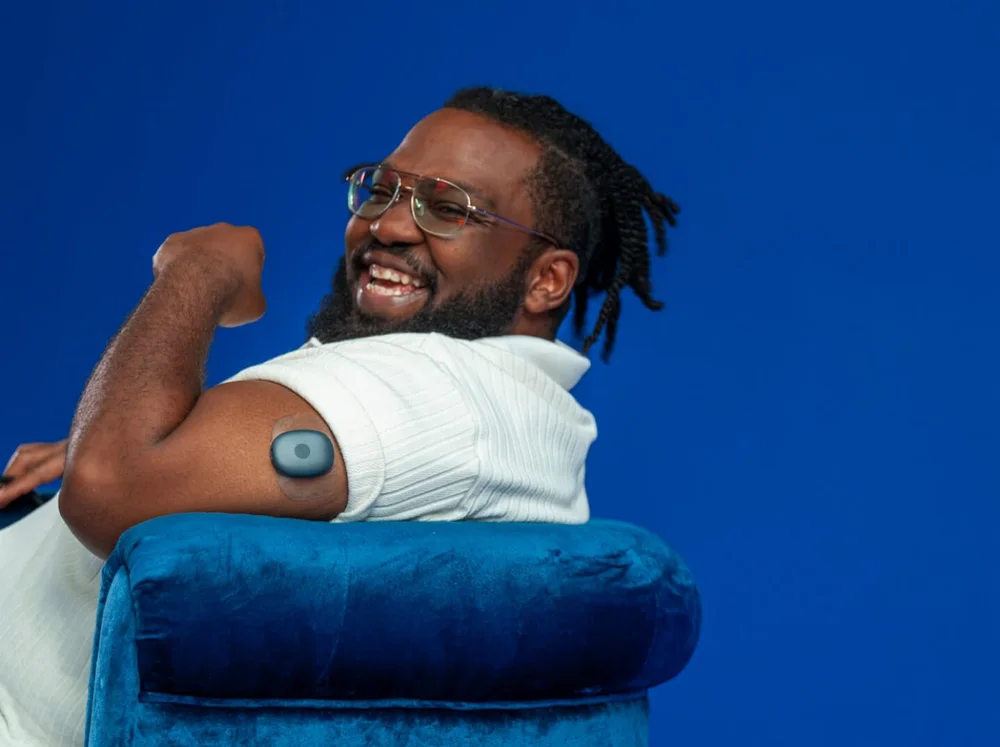 10First rankingAdults discussing a long-duration CGM with their clinician
Eversense 365
ReleasedSpecifications-led selectionPrice not verifiedEversense 365 changes the maintenance equation by using a provider-inserted sensor with a stated life of up to one year. The external transmitter remains removable, so the sensor's long wear period should not be confused with a year of maintenance-free use. For adults with diabetes who find frequent sensor changes burdensome, that is a distinctive option to discuss with a trained provider.
The system still has daily adhesive handling, transmitter management and calibration requirements. The maker describes once-weekly calibration after day 13, with the full instructions governing the schedule. On-body vibration alerts are another practical differentiator, but the right choice depends on clinical eligibility and the user's willingness to undergo insertion and removal.
The removable transmitter gives the system a different day-to-day character from a fully disposable patch. Ask the provider what insertion, removal, calibration and transmitter care involve over the full year. The sensor lifetime alone leaves out most of the practical ownership story.
Why #10Tenth as a specialised clinical option whose unusual wear model deserves explanation. This is not a lowest-to-highest ranking of medical benefit or glucose accuracy.
The compromiseRequires a trained healthcare provider and regional access. Long sensor duration does not remove daily upkeep, and an implantable component makes the decision more involved than a disposable patch.
Release date not verified [1]Documented product in the stated source market; destination availability and checkout not tested.Exact initial release date is not established in this review brief. Current catalogue status is Released; clinical eligibility and local access may differ.Evidence and original sources
Manufacturer-based technical brief. No exact-model independent hands-on test verified for this entry; SmartWearGuide has not tested it.
Ranking history
This is the first published edition. Previous positions will appear after a real revision.
Edition 1 · Oct 13, 2026 · Current
Expanded October 13, 2026: original use-case analysis, explicit ranking reasons, practical limitations and transparent source quality.
How we choose and track positions
SmartWearGuide’s order is an editorial judgment from linked specifications and published testing. We have not performed house hands-on tests. We prioritise a useful daily job, fit, compatibility, complete cost, software support and the strength of the evidence. Category-specific criteria appear on each list. Lower-confidence and specialist selections are labelled; a higher rank cannot guarantee a better fit for you.
Current-product lists contain released, unrecalled models and explicitly labelled professional equipment. The Frontier & research selection is a separate research watchlist, not a shopping recommendation. Music & creative wearables explicitly separates eight released choices from two preorder or reservation projects. Best Upcoming covers announced products and early evidence. A released product is not necessarily in stock in your country. No brand pays for a place in these lists.
History begins with the first edition published here. Each substantive revision appends a dated edition and reason; past editions are preserved. Up, down and previous position compare the latest two published editions of the same list. We do not invent an earlier chart, move products to manufacture news, or turn an announcement date into a shipment date.