
Our Top 10 VR & mixed-reality headsets
Ten catalogue picks for standalone games, PC simulation and spatial screens, with the compromises explained.
Browse & filter Categories, features & sorting
How price order works
Lowest recorded store prices take priority over announced or launch prices, within the selected source market. Currencies use the dated EUR reference rates. Deposits and recurring charges are excluded from price order; missing prices stay last. Original price records remain visible.
10 current selections
 01First ranking$599.99 USD≈ €536 EURECB 2026-10-13US · Store price · Not verifiedPrice checked 2026-10-12
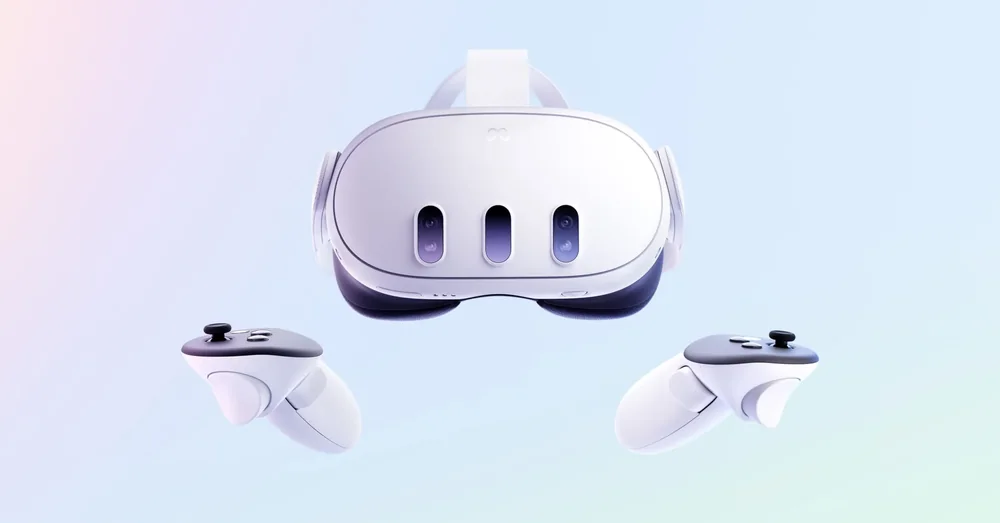
Quest 3 takes first place because it combines a self-contained gaming system with the option to connect to a capable PC. Meta's documented pancake optics are central to its appeal: a headset used for games, menus and virtual screens benefits from a more forgiving clear viewing area. You do not need to build a tracking installation or buy a gaming computer simply to begin using its standalone software.
David Heaney's UploadVR six-month follow-up judged it an excellent VR headset while remaining critical of mixed-reality limitations. His April 2024 report documents improved passthrough exposure, easier SteamVR access and continuing microphone compromises. Those findings describe that software period, not a fresh test of every current feature. They nevertheless show why the strongest buying case is useful VR content and flexible access, rather than the promise of perfectly natural vision through cameras.
For most new buyers, start with the games or activities you want, then check space, comfort and the full cost of any preferred strap or battery accessory. A headset that is easy to put on for a short session has a better chance of becoming a habit. Quest 3S is the lower-cost alternative if budget dominates; Quest 3's stronger optical package is the reason to stretch when you expect frequent use.
Why #1First for the broadest useful starting point among these catalogue choices: standalone access, better optics than 3S and optional PC streaming.
The compromiseThe included fit may not suit every head, battery sessions are finite, and camera passthrough should not be mistaken for unobstructed natural vision.
Release date not verified [1]Commercial model documented by manufacturerExact first retail date is not established in this ranking research.Evidence and original sources
Manufacturer documentation plus attributed independent reporting. Test timing and limited hands-on evidence are disclosed; no SmartWearGuide hands-on test.
 02First ranking£319.99 GBP≈ €379 EUR · $424 USDECB 2026-10-13UK · Store price · Not verifiedPrice checked 2026-10-12
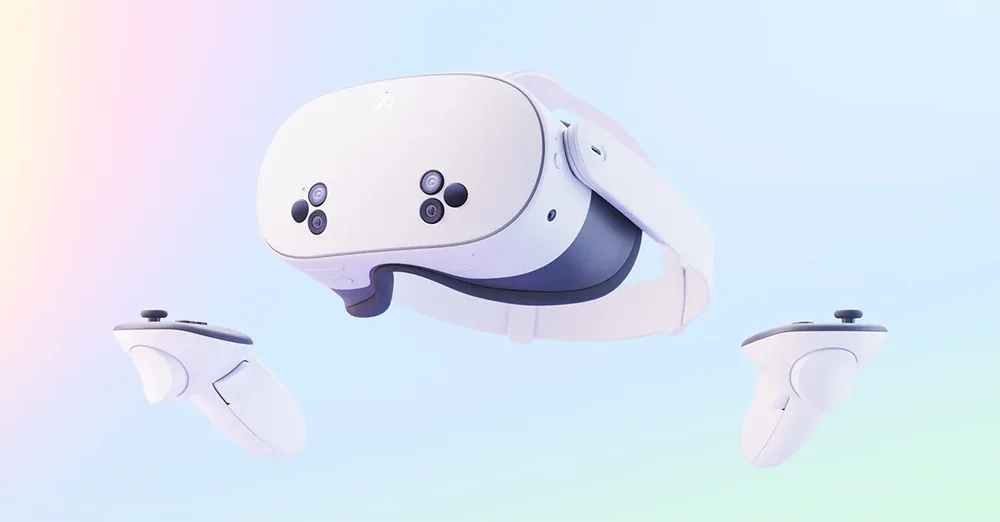
Quest 3S makes the core standalone proposition more affordable by retaining the newer processing platform while using a simpler optical design. Meta's documentation identifies the key compromise: Fresnel lenses rather than Quest 3's pancake system. This matters every time you align the headset or glance away from the centre, so the lower price buys access to the experience rather than identical visual comfort.
David Heaney's initial UploadVR test found that the 3S hand tracking worked better than Quest 3 in darkness, aided by its infrared illuminators. That was a short first-day observation, not a long-term headset review or evidence that 3S is superior overall. It is still a useful reminder that the cheaper model has specific practical strengths, and that a single resolution or lens specification does not describe every interaction.
Choose it if the cost difference is what makes VR possible, especially when you want to try standalone games before investing in accessories or PC equipment. Spend time adjusting the lens position and strap rather than accepting blur as normal. If you already know you will read virtual screens or play frequently, compare Quest 3 in person where possible. The savings are valuable when they leave room for software you will use, but less valuable if the optical compromise discourages wearing it.
Why #2Second for accessible entry to the platform; Quest 3 stays ahead because its optical improvement affects so much everyday use.
The compromiseA narrower forgiving viewing area and bulkier optical arrangement are lasting hardware compromises. The initial hand-tracking finding is not a full reliability assessment.
Release date not verified [1]Commercial model documented by manufacturerExact first retail date is not established in this ranking research.Evidence and original sources
Manufacturer documentation plus attributed independent reporting. Test timing and limited hands-on evidence are disclosed; no SmartWearGuide hands-on test.
 03First rankingPrice not verified
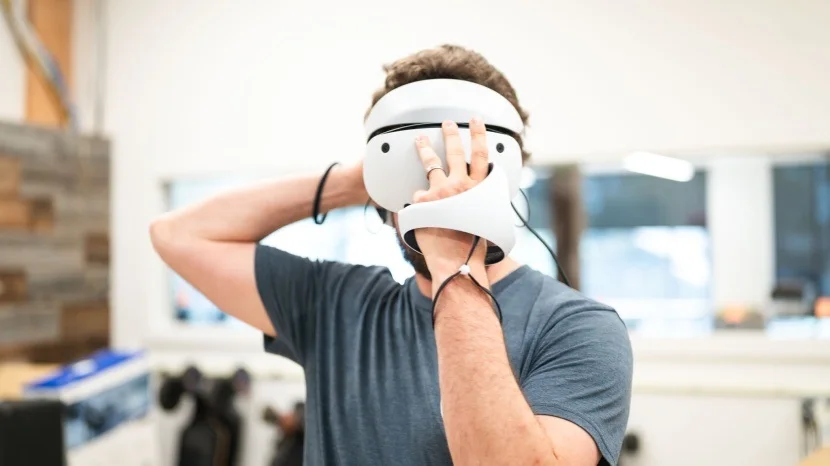
PlayStation VR2 has a clear purpose: bring high-quality VR games to a PS5 with a relatively simple tethered setup. Sony documents OLED displays, eye tracking, controller adaptive triggers and headset feedback. These features can make supported games feel more physical and visually rich, but the strongest reason to buy remains the specific games you want to play rather than a collection of impressive hardware terms.
UploadVR's original review praised comfortable weight distribution, vivid visuals and the straightforward single-cable console connection. It also found the lack of physical volume controls frustrating and emphasised that comfort varies with head shape. The review's examples of eye tracking and haptics show their potential in supported PS5 titles; those experiences should not automatically be transferred to PC use or every game in the library.
For someone who already owns a PS5, the system avoids much of the component selection involved in building a VR-ready PC. Check the available games first, allow room for the cable and learn how to keep the lenses aligned during movement. If PC compatibility is your main motivation, verify Sony's adapter requirements and feature differences separately before buying. This is a strong console-focused third choice, not a self-contained device you can carry anywhere and use without another machine.
Why #3Third for a compelling console-specific experience, with OLED and supported haptics offering a different strength from the standalone leaders.
The compromiseRequires compatible host hardware and a cable. PS5 features and PC capabilities differ, so total system cost and intended software matter.
Release date not verified [1]Commercial model documented by manufacturerExact first retail date is not established in this ranking research.Evidence and original sources
Manufacturer documentation plus attributed independent reporting. Test timing and limited hands-on evidence are disclosed; no SmartWearGuide hands-on test.
 04First rankingExperienced PC VR users prioritising a small visor
Bigscreen Beyond 2
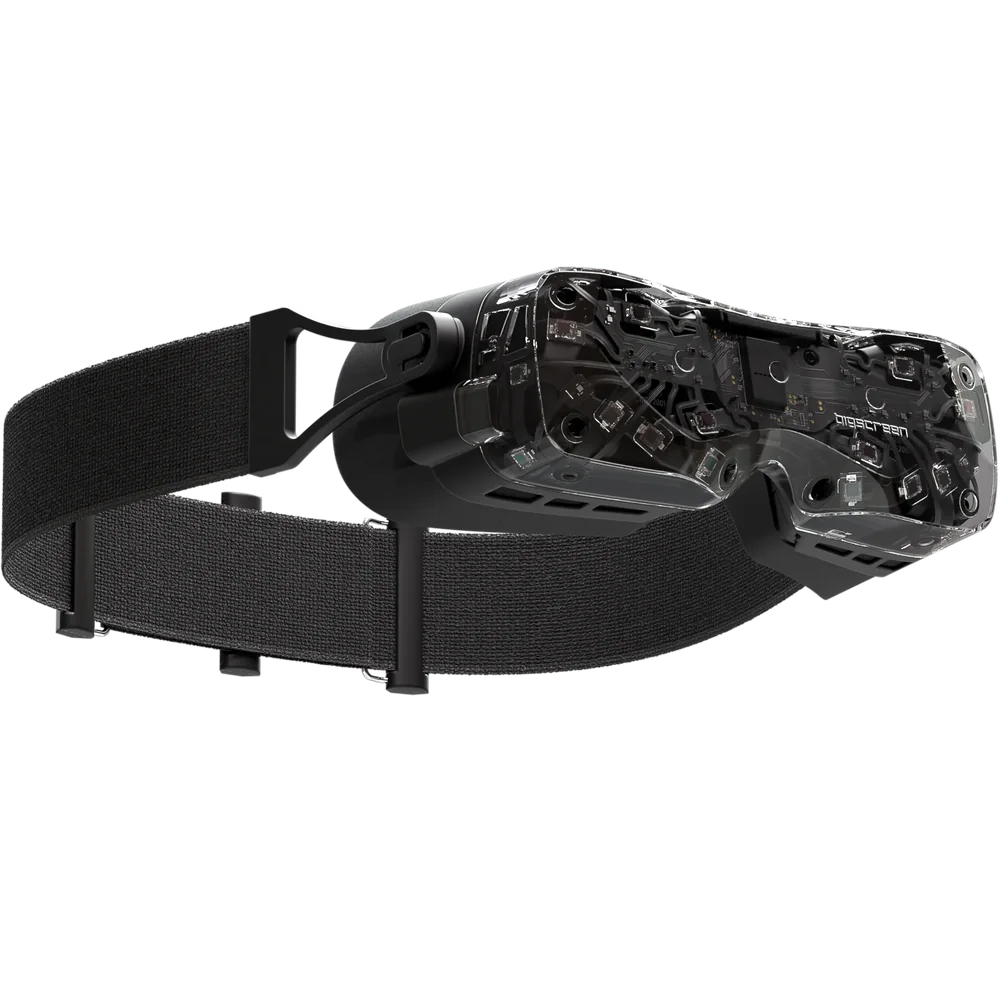
ReleasedPublished testing linked$899 USD≈ €804 EURECB 2026-10-13US / USD official store · Store price · In stock in official structured offerPrice checked 2026-10-12Beyond 2 is a specialist PC headset whose attraction is reducing what sits on your face. Bigscreen's documentation describes a compact micro-OLED design and an external SteamVR setup. The small visor is only one part of the system: a suitable PC, tracking base stations and compatible controllers must be included in the buying calculation. It is not an alternative to a self-contained Quest at the same apparent headset price.
Ian Hamilton's UploadVR preproduction hands-on found the independently adjustable lenses useful for his asymmetric eye position and noticed improvements in clarity and reflections. The demonstration also had tracking jitter, with the room and base-station arrangement leaving its cause uncertain. This was a short early demo, not a long-term production review. It supports interest in the optical and fit changes while leaving extended comfort and reliability less firmly established by that source.
Fourth place is conditional on already understanding PC VR and wanting a lighter, more personal setup. Someone with working SteamVR equipment may gain more from this design than a newcomer starting from nothing. Pay particular attention to fitting, prescription needs, return conditions and the exact accessories included. Also distinguish Beyond 2 from the eye-tracking 2e variant. Its advantage is a focused wearing experience for a committed user, not the broad convenience or sharing flexibility of the top standalone choices.
Why #4Fourth for its distinctive compact PC VR proposition; it can be a specialist's first choice while requiring too much supporting equipment for most beginners.
The compromiseTotal system cost, fitting and external tracking are substantial commitments. The cited independent evidence is an early hands-on session, not a production endurance test.
Release date not verified [1]Commercial model documented by manufacturerExact first retail date is not established in this ranking research.Evidence and original sources
Manufacturer documentation plus attributed independent reporting. Test timing and limited hands-on evidence are disclosed; no SmartWearGuide hands-on test.
 05First rankingPremium films and Apple-oriented spatial computing
Apple Vision Pro M5
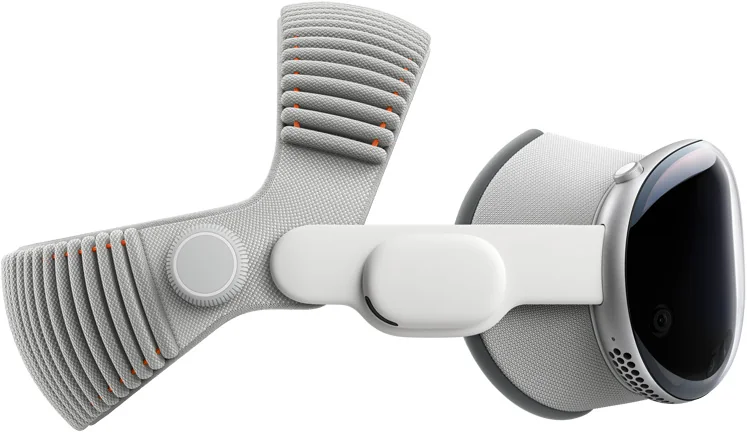
ReleasedPublished testing linked$3,699 USD≈ €3,306 EURECB 2026-10-13US · Starting price · Not verifiedPrice checked 2026-10-12Vision Pro M5 earns its place through virtual screens, immersive media and spatial interaction rather than conventional VR gaming value. Apple's specifications document the M5 and R1 architecture, dense displays and an external battery. These make it a very different purchase from a controller-led gaming headset: the question is whether large private screens and the supported Apple workflows solve something useful in your day.
Mark Spoonauer's Tom's Guide review found the updated strap, performance and runtime improved, while still describing a heavy, expensive product with application gaps at the time of testing. He remained impressed by immersive viewing and virtual windows. That balance matters more than the processor upgrade alone. Faster interaction is welcome, but it does not remove the weight on your face or guarantee that the applications you depend on have a suitable headset version.
Fifth place recognises an impressive premium experience with a narrower financial and practical audience. Try a properly fitted demonstration and reproduce an actual task, such as watching a film or working with your own Mac workflow. Check prescription arrangements, local availability and the apps you need before deciding that it can replace another screen. For occasional gaming, the leaders above are much easier to justify; for a buyer who values its particular display and interaction experience, the comparison may be entirely different.
Why #5Fifth because the media and spatial-screen experience is distinctive, but its price, weight and software fit prevent a general first-choice recommendation.
The compromiseExpensive, physically substantial and dependent on suitable apps and fit. Historical review complaints about missing apps need current store checks.
Release date not verified [1]Commercial model documented by manufacturerExact first retail date is not established in this ranking research.Evidence and original sources
Manufacturer documentation plus attributed independent reporting. Test timing and limited hands-on evidence are disclosed; no SmartWearGuide hands-on test.
 06First rankingA balanced standalone alternative with optional body tracking
PICO 4 Ultra
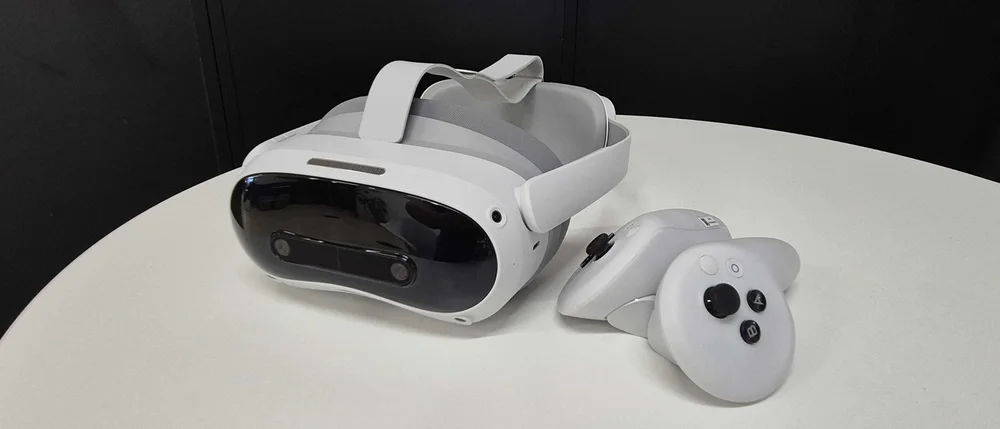
ReleasedPublished testing linkedPrice not verifiedPico 4 Ultra is an alternative for buyers who value a rear-balanced battery arrangement and want to explore standalone VR, PC streaming and optional motion trackers. Pico's specifications establish the upgraded processing platform and passthrough hardware. The rear battery helps distribute mass rather than concentrating everything in the visor, although balance and comfort still depend on the individual wearer.
David Heaney's UploadVR launch-event hands-on found the headset comfortable and the optional leg trackers easy to use in the demonstrations. Passthrough showed sharper detail in some situations but also perspective distortion, and the lenses did not match Quest 3's edge clarity. His sessions were brief and controlled, so they do not establish battery endurance or home reliability. They provide a useful explanation of the design's strengths without turning a demonstration into a full review.
Sixth place reflects those interesting hardware choices alongside a more conditional software proposition. Check that the games and PC-streaming applications you want are available in your region, and include any trackers in the total budget. A body-tracking demonstration is only useful if the software you plan to use supports it. Compare the actual lens experience with Quest 3 where possible: more camera or display specifications do not automatically make the image more comfortable to view for an entire session.
Why #6Sixth as a credible alternative with balanced hardware and optional tracking, held below the broader leaders by optical and software-fit considerations.
The compromiseRegional sales and software access need checking. The independent evidence cited here is short launch-event hands-on reporting, with no measured endurance claim.
Release date not verified [1]Commercial model documented by manufacturerExact first retail date is not established in this ranking research.Evidence and original sources
Manufacturer documentation plus attributed independent reporting. Test timing and limited hands-on evidence are disclosed; no SmartWearGuide hands-on test.
 07First ranking$899 USD≈ €804 EURECB 2026-10-13US · Store price · Listed; selected variant unavailable/region stock not confirmedPrice checked 2026-10-12
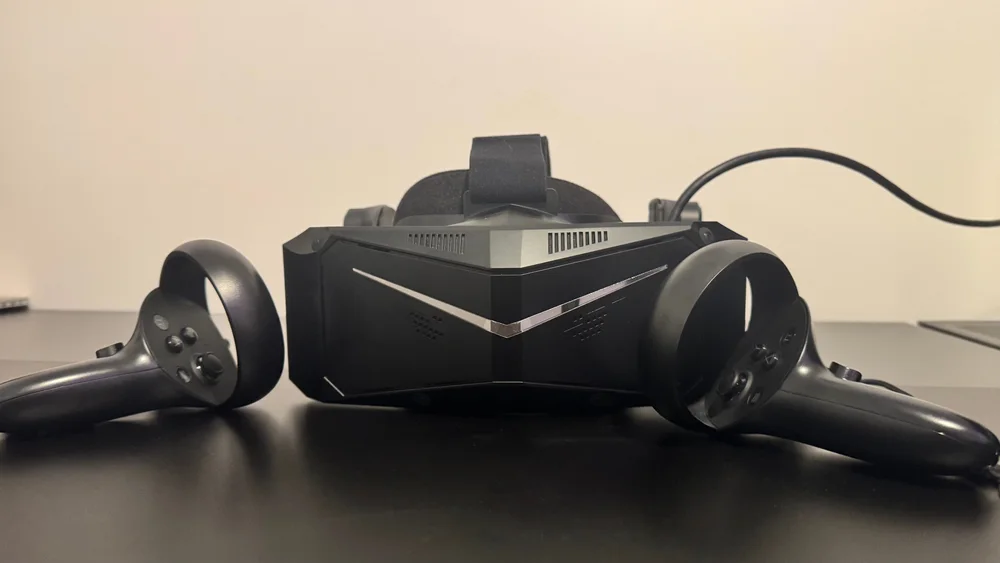
Crystal Light is aimed at the PC VR user who cares about reading instruments, seeing distant detail and sitting inside a convincing simulated cockpit. Pimax's product documentation establishes its wired PC role and high-resolution display system. It should be evaluated as part of a complete graphics and tracking setup, because asking a computer to render demanding VR scenes is different from simply connecting a high-resolution desktop monitor.
James Bentley's PC Gamer review praised the visual experience, particularly for simulation, but found the headset heavy and cumbersome and criticised tracking and passthrough. That split is the reason it belongs in a specialist position. Strong central image quality can be valuable in seated racing or flying, while the physical and interaction drawbacks matter more in games with repeated movement around a room. The review does not justify treating it as a universal upgrade.
Seventh place is for a buyer who already has the PC, knows the applications and accepts tuning settings to balance detail with smooth frame delivery. Check the exact package, required connections, graphics requirements and support arrangements before comparing headline prices. Someone new to VR should begin with an easier all-round system. A committed simulator user may reasonably rank Crystal Light much higher, but should test comfort over a realistic session and avoid assuming that maximum resolution is usable at the desired performance in every title.
Why #7Seventh for a strong visual specialist whose setup demands and physical compromises narrow its audience.
The compromiseRequires a capable PC and careful system matching. Weight, bulk and the reviewed tracking limitations matter as much as display resolution.
Release date not verified [1]Commercial model documented by manufacturerExact first retail date is not established in this ranking research.Evidence and original sources
Manufacturer documentation plus attributed independent reporting. Test timing and limited hands-on evidence are disclosed; no SmartWearGuide hands-on test.
 08First rankingPC VR users who specifically need HTC hardware features
HTC VIVE Focus Vision
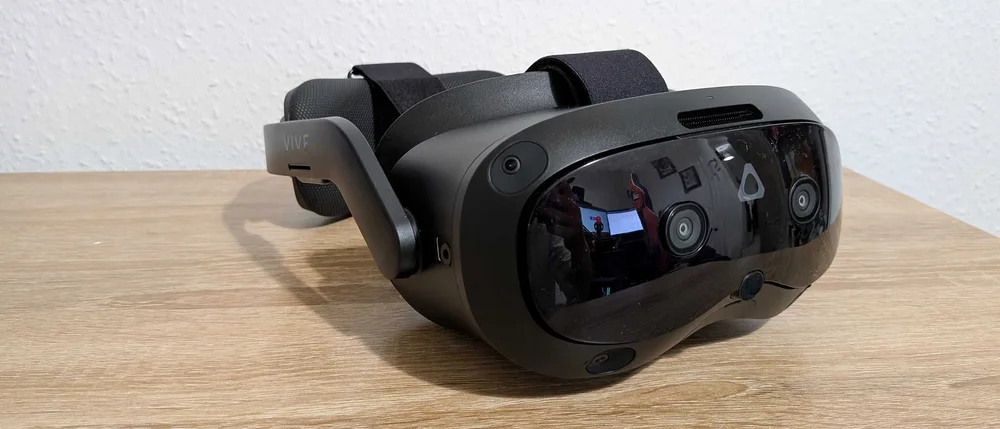
ReleasedPublished testing linked$999 USD≈ €893 EURECB 2026-10-13US · Store price · Listed; exact stock not established by specs pagePrice checked 2026-10-13Focus Vision combines standalone operation with a PC-oriented path and a design intended for longer sessions. HTC documents eye tracking, a removable battery and an optional DisplayPort connection through the appropriate streaming kit. That combination can be useful when a specific application or workflow needs it, but it is not a reason for every buyer to pay more than for a simpler consumer headset.
After several weeks, Jason England's Tom's Guide review praised comfortable weight distribution, responsive tracking and the PC image. He found the older processor, Fresnel optics and limited standalone catalogue much harder to justify at the price. This gives the buying case a clear boundary: the headset is more persuasive when used with a capable PC and the features that distinguish it, rather than purchased primarily as a self-contained games console.
Eighth place recognises that conditional usefulness. Work out whether you need its eye tracking, battery arrangement or wired display path in software that actually supports those functions. Include the necessary kit and spare batteries in the comparison rather than treating accessories as an afterthought. For ordinary standalone entertainment, the leading Quest choices are more straightforward. An enthusiast with a defined HTC-compatible use can reach a different conclusion, but should try the lenses personally and verify that the exact PC connection delivers the workflow they expect.
Why #8Eighth because its strongest case is a defined PC or specialist workflow, while general standalone value is much weaker.
The compromiseFresnel optics and an older standalone platform limit appeal. DisplayPort requires the appropriate kit, and advertised functions need application support.
Release date not verified [1]Commercial model documented by manufacturerExact first retail date is not established in this ranking research.Evidence and original sources
Manufacturer documentation plus attributed independent reporting. Test timing and limited hands-on evidence are disclosed; no SmartWearGuide hands-on test.
 09First rankingAn HTC user who values a compact, convertible design
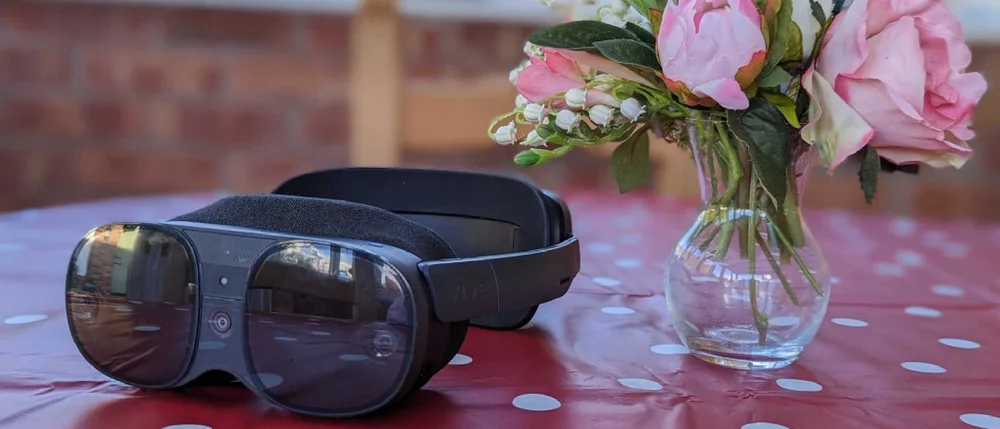
HTC VIVE XR Elite
ReleasedPublished testing linkedPrice not verifiedVive XR Elite offers a compact take on standalone and streamed PC VR, with a removable battery assembly and built-in diopter adjustment documented by HTC. Those are meaningful design choices for a user who wants to travel with a small headset or reduce the need for separate prescription inserts within the supported adjustment range. They do not, by themselves, establish strong gaming value.
Katie Wickens' PC Gamer review found the full battery-equipped arrangement comfortable and PC streaming simple to set up. She found the lighter glasses-style configuration uncomfortable, however, and criticised tracking, depth perception and short gaming endurance in her launch-period tests. Those results show why the convertible concept needs a personal trial. Removing weight can change pressure and stability in ways that are not obvious from a product photograph or mass specification.
Ninth place is a narrow recommendation for someone who has a specific reason to prefer HTC's format and can obtain a compelling complete package. Check current accessories and software, since the cited test describes the original release experience rather than every later update. For a first headset bought mainly for games, the choices above are easier to recommend. If compactness and diopter adjustment are decisive for you, test both wearing configurations and a real application before committing; the best-looking configuration may not be the one you can comfortably use.
Why #9Ninth as a conditional form-factor choice, with independent criticism preventing a broad recommendation over the stronger all-round options.
The compromiseThe launch review found tracking and endurance compromises, and the compact configuration did not suit the reviewer. Personal fit and current package value are essential.
Release date not verified [1]Commercial model documented by manufacturerExact first retail date is not established in this ranking research.Evidence and original sources
Manufacturer documentation plus attributed independent reporting. Test timing and limited hands-on evidence are disclosed; no SmartWearGuide hands-on test.
 10First rankingPrice not verified
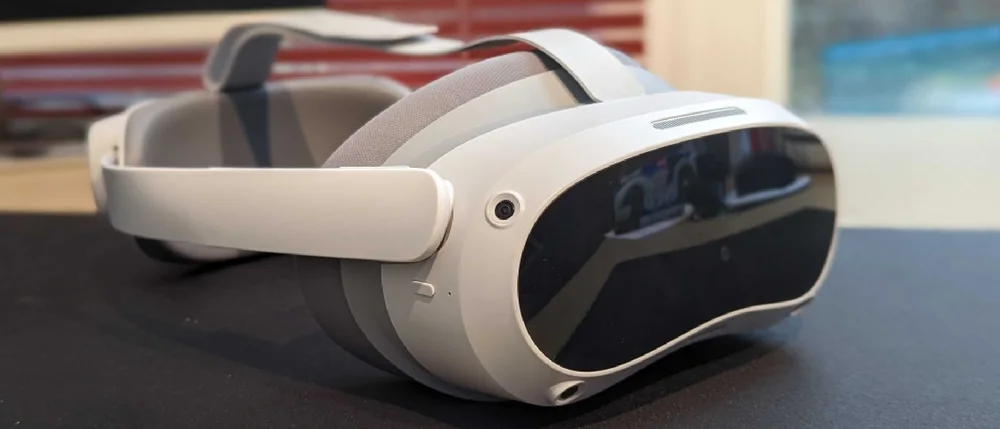
The original Pico 4 remains relevant as a compact, balanced route to VR when its actual local price is sufficiently attractive. Pico documents pancake optics and a rear-mounted battery, giving it a different wearing arrangement from older front-heavy standalone designs. It is an older generation than Pico 4 Ultra, so a discount needs to be substantial enough to compensate for the processing and support-life considerations.
David Heaney's UploadVR launch review found the balance, field of view and clarity impressive, but criticised washed-out contrast, some tracking and performance behaviour, and the then-smaller software ecosystem. He also found the lenses uncomfortable against his nose at narrow separation settings. These are dated test observations, not a claim that current firmware is unchanged. The physical fit warning remains particularly useful because software cannot change the shape of the lens housing.
Tenth place is reserved for a buyer with a specific budget and intended applications, especially compatible PC streaming. Check current local support, new-versus-refurbished condition and the software you plan to use before treating an old launch price as evidence of value. A headset bought cheaply is still poor value if the fit is wrong or the desired games are absent. If the price difference to a newer supported model is small, choose the newer option; Pico 4 belongs here as a considered lower-cost alternative, not a default recommendation for all newcomers.
Why #10Tenth because its balanced optical design can still suit a defined budget use, but age and conditional value keep it behind newer catalogue choices.
The compromiseAn older platform with fit constraints for some narrow-IPD users. Availability, condition, current software and price must be checked locally.
Release date not verified [1]Commercial model documented by manufacturerExact first retail date is not established in this ranking research.Evidence and original sources
Manufacturer documentation plus attributed independent reporting. Test timing and limited hands-on evidence are disclosed; no SmartWearGuide hands-on test.
Ranking history
This is the first published edition. Previous positions will appear after a real revision.
Edition 1 · Oct 13, 2026 · Current
First researched ten-device XR shortlist with exact-model evidence, disclosed historical test dates and specialist buying conditions.
How we choose and track positions
SmartWearGuide’s order is an editorial judgment from linked specifications and published testing. We have not performed house hands-on tests. We prioritise a useful daily job, fit, compatibility, complete cost, software support and the strength of the evidence. Category-specific criteria appear on each list. Lower-confidence and specialist selections are labelled; a higher rank cannot guarantee a better fit for you.
Current-product lists contain released, unrecalled models and explicitly labelled professional equipment. The Frontier & research selection is a separate research watchlist, not a shopping recommendation. Music & creative wearables explicitly separates eight released choices from two preorder or reservation projects. Best Upcoming covers announced products and early evidence. A released product is not necessarily in stock in your country. No brand pays for a place in these lists.
History begins with the first edition published here. Each substantive revision appends a dated edition and reason; past editions are preserved. Up, down and previous position compare the latest two published editions of the same list. We do not invent an earlier chart, move products to manufacture news, or turn an announcement date into a shipment date.