
Our Top 10 Safety & accessibility
Ten task-specific selections in a provisional editorial order, with review evidence and gaps explained.
Browse & filter Categories, features & sorting
How price order works
Lowest recorded store prices take priority over announced or launch prices, within the selected source market. Currencies use the dated EUR reference rates. Deposits and recurring charges are excluded from price order; missing prices stay last. Original price records remain visible.
10 current selections
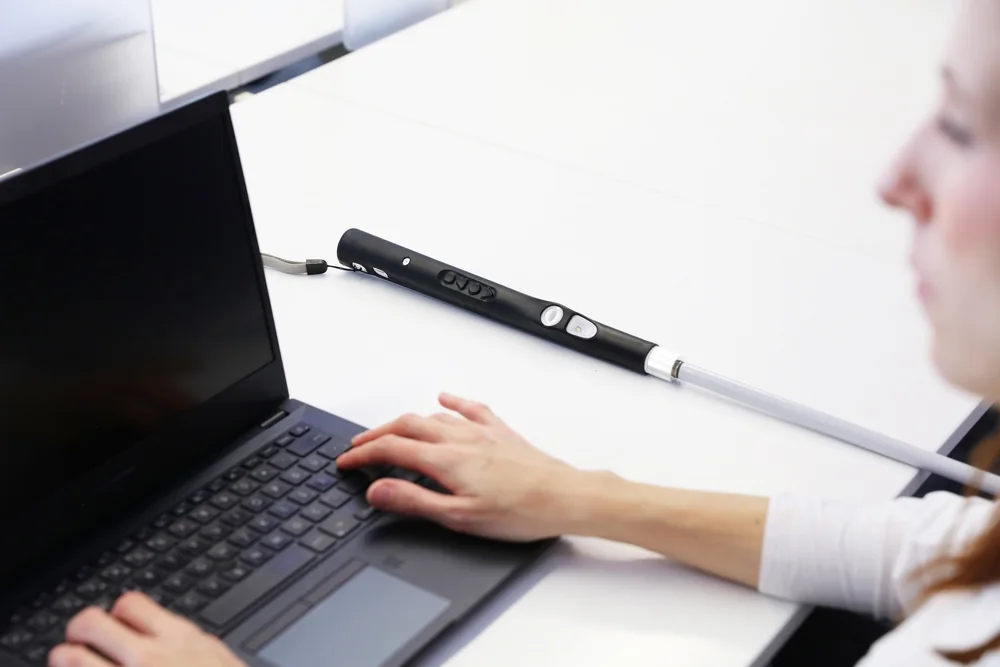 01First rankingAdding upper-body obstacle alerts to a mobility cane
WeWALK Smart Cane 2
ReleasedSpecifications-led selection€699 EUR≈ $782 USDECB 2026-10-12EU · Store price · Stock and delivery not verifiedPrice checked 2026-10-12WeWALK Smart Cane 2 leads this mixed accessibility shortlist because its additional function is clearly defined: the electronic handle adds alerts for obstacles at chest and head height while the cane retains its ordinary ground-detection role. It builds on an established mobility tool instead of assuming spoken AI can solve every navigation problem.
The manufacturer documents configurable sound or vibration alerts and app-based turn-by-turn directions. That combination can reduce the need to hold a phone for some tasks, but it also introduces charging, configuration and a more complex handle. The ordinary cane function remains available without phone connectivity; connected navigation is a separate layer.
The right assessment is a personal mobility trial, ideally alongside existing orientation and mobility practice. Weight in the handle, alert timing and how instructions interact with environmental sound matter more than the number of advertised features. We have not tested obstacle detection or compared user outcomes, and this is a manufacturer-backed brief rather than a guarantee of independent travel. Its first place reflects a concrete assistive function and a familiar underlying tool, while individual preference can make a simpler cane the better choice.
Why #1First for a clearly described extension of an existing mobility workflow. This is an editorial starting point for a trial, not a universal accessibility ranking.
The compromiseHandle weight, charging and alert preferences need personal assessment. Electronic obstacle alerts and navigation do not replace cane technique or judgement about the environment.
Release date not verifiedFirst retail releaseA released catalogue product or explicitly labelled professional offering; exact first retail date was not established in this review pass.Evidence and original sources
Provisional selection. Manufacturer-backed research brief; no SmartWearGuide hands-on test. Independent comparative performance is not established.
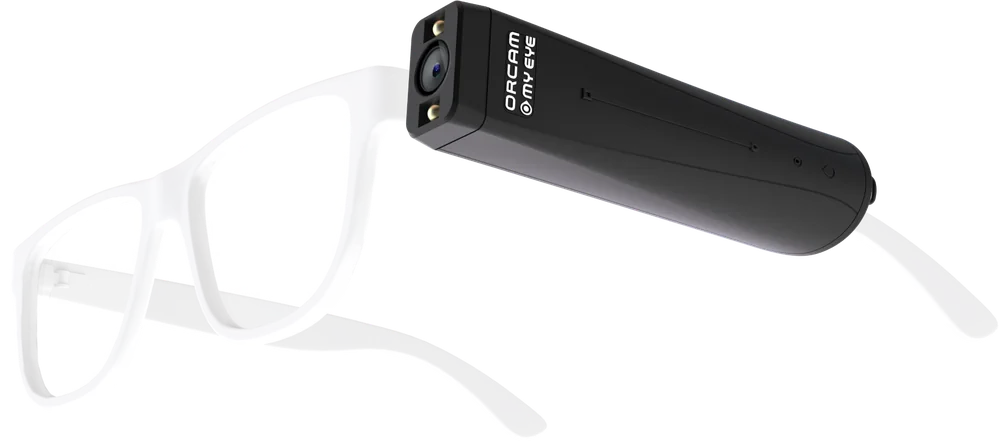 02First rankingReading printed information aloud without a phone connection
OrCam MyEye
ReleasedSpecifications-led selection$4,250 USD≈ €3,801 EURECB 2026-10-12US · Starting price · Stock and delivery not verifiedPrice checked 2026-10-12OrCam MyEye addresses a specific accessibility task: a small camera attached to glasses reads visual information aloud. The documented offline operation is an important advantage for someone who wants that function without relying on a continuous internet connection. It is an audio-reading aid, not a display that restores vision.
The manufacturer lists a 22.5 g module, voice and touch controls and around one and a half to two hours of active battery use. Product variants matter: MyEye Pro and MyEye Smart do not provide identical recognition features. A family-level description should therefore never imply that the lowest-priced configuration includes every demonstration shown online.
The buying decision should centre on the actual reading tasks: labels, printed documents or other supported material in the conditions where the user needs help. Check language support, glasses attachment, speaker audibility and how naturally the controls fit the user's routine. We did not establish an independent exact-variant comparison in this pass. Its place recognises a clear offline workflow, with the relatively short active runtime and high importance of a personal demonstration kept visible.
Why #2Second for a focused offline reading function. It is more appropriate than image-enhancement eyewear when spoken information, rather than enlarged vision, is the desired output.
The compromiseConfirm the exact recognition features of the purchased variant. Active runtime is limited, and reading performance needs testing on the user's real documents and surroundings.
Release date not verifiedFirst retail releaseA released catalogue product or explicitly labelled professional offering; exact first retail date was not established in this review pass.Evidence and original sources
Provisional selection. Manufacturer-backed research brief; no SmartWearGuide hands-on test. Independent comparative performance is not established.
 03First rankingDirectional cues through vibration around the waist
feelSpace naviBelt
ReleasedSpecifications-led selectionPrice not verifiednaviBelt offers an alternative channel for navigation: direction is indicated through vibration around the waist rather than requiring continuous spoken instructions. Sixteen vibration units cover the full circle, and a north-indication mode provides an orientation reference. Its attraction is keeping directional information separate from the hands and ears.
The manufacturer documents Bluetooth connection to the feelSpace app on supported phones and tactile controls on the belt. Those features make it a specific orientation accessory, not a general obstacle detector. The distinction is important: knowing the intended direction does not establish that the path in that direction is clear or safe.
Choose it through a practical trial involving familiar routes and the user's existing mobility tools. Learning the vibration vocabulary and assessing belt comfort are part of the purchase. We have not independently measured navigation performance or compared it with audio directions. The shortlist position recognises a distinctive information channel that some users may find less intrusive, while others may prefer a phone or spoken guidance. The value is in how well it fits the individual routine, not in a universal claim that haptic navigation is superior.
Why #3Third for its hands-free, non-audio directional channel. It complements rather than replaces other mobility tools, and should be assessed on that basis.
The compromiseIt indicates direction rather than detecting every obstacle. Phone support, training time and tolerance for waist vibration determine whether it is useful.
Release date not verifiedFirst retail releaseA released catalogue product or explicitly labelled professional offering; exact first retail date was not established in this review pass.Evidence and original sources
Provisional selection. Manufacturer-backed research brief; no SmartWearGuide hands-on test. Independent comparative performance is not established.
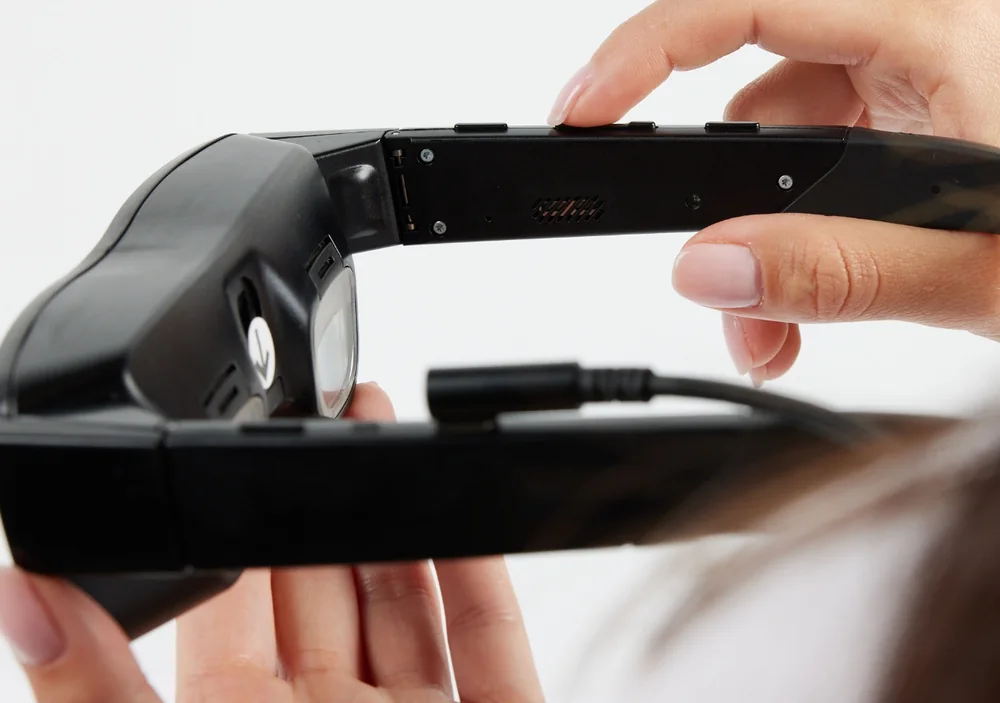 04First rankingMagnified visual information for a personal low-vision trial
eSight Go
ReleasedSpecifications-led selectionCA$6,600 CAD≈ €4,139 EUR · $4,628 USDECB 2026-10-12CA · Listed price · Stock and delivery not verifiedPrice checked 2026-10-12eSight Go is a visual-assistance system for users who may benefit from a camera image shown on near-eye displays. Adjustable magnification, contrast and colour controls are the relevant features. This is a different task from OrCam's spoken reading, so the two should not be ranked as interchangeable solutions to vision loss.
The manufacturer documents Full HD OLED displays, up to 24-times magnification and a neck-worn battery with up to three hours of continuous operation. Magnification can make details larger while reducing the portion of a scene visible at once, so the largest number is not necessarily the most usable setting for a given task.
The essential step is a demonstration with the intended user and their real activities, such as reading, recognising detail at a distance or viewing a screen. The benefit varies with the individual's remaining vision and needs, and no specification can substitute for that trial. We have not independently established clinical outcomes or daily comfort. Its shortlist place reflects configurable visual assistance and a documented wearable format, while avoiding promises of restored sight or suitability for every eye condition.
Why #4Fourth as a visual-enhancement option requiring individual assessment. It could be more relevant than higher entries when the user specifically wants an enlarged image rather than audio.
The compromiseFit, residual vision and the task determine benefit. Battery duration and the field-of-view trade at high magnification deserve attention during a demonstration.
Release date not verifiedFirst retail releaseA released catalogue product or explicitly labelled professional offering; exact first retail date was not established in this review pass.Evidence and original sources
Provisional selection. Manufacturer-backed research brief; no SmartWearGuide hands-on test. Independent comparative performance is not established.
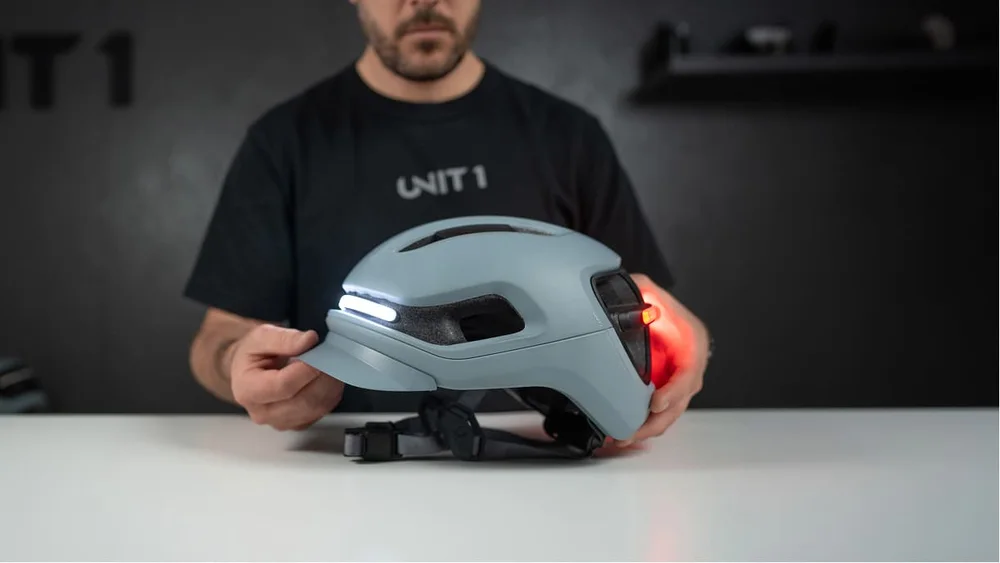 05First rankingCycling visibility with a comparatively light illuminated helmet
UNIT 1 AURA Mips
ReleasedPublished testing linked$259.90 USD≈ €232 EURECB 2026-10-12US · Store price · Stock and delivery not verifiedPrice checked 2026-10-12Aura combines a helmet with front and rear lighting in a documented 440 g package. Its appeal is consolidating equipment the rider needs to remember before leaving home. The Mips construction and listed cycling and e-bike certifications are separate from the electronic features; neither lighting nor an app should distract from correct helmet fit.
Consumer Reports' exact Aura MIPS laboratory listing gives strong marks for impact absorption but weaker marks for ventilation and fit adjustment. Arleigh Greenwald's Bike Shop Girl trial adds an ownership detail: her original purchased helmet had a power-button problem and the replacement supplied by UNIT 1 worked properly. These sources add useful protection, comfort and reliability context without establishing a crash-prevention guarantee.
The sensible comparison is with a comfortable certified helmet plus separate lights. Check local lighting requirements and retain the bicycle lighting required for the route; a helmet light should not be assumed to satisfy every rule. We have not performed impact testing, visibility measurements or a comfort trial. Aura earns its place for an integrated package with clear certification and operating details, not a claim that smart helmets prevent crashes or that this one is safest in all conditions.
Why #5Fifth as the first cycling choice for a balanced integrated-lighting proposition. Fit and certified configuration should take priority over its position in the list.
The compromiseLight mode changes battery life substantially. Helmet fit and bicycle lighting requirements remain separate checks; app features do not establish crash prevention.
Release date not verifiedFirst retail releaseA released catalogue product or explicitly labelled professional offering; exact first retail date was not established in this review pass.Evidence and original sources
Manufacturer documentation plus attributed exact-model firsthand or laboratory evidence. No SmartWearGuide hands-on test; results remain specific to the tested conditions.
AURA Mips Smart Helmet: E-Bike Certified & Integrated Lights | UNIT 1 manufacturerConsumer Reports: UNIT 1 Aura MIPS laboratory test original laboratory product testArleigh Greenwald, Bike Shop Girl: UNIT 1 Aura review original hands-on review; purchased original, supplied replacement, affiliate links 06First rankingE-bike-oriented helmet coverage and turn-signal lighting
Lumos Ultra E-Bike
ReleasedPublished testing linked$199.95 USD≈ €179 EURECB 2026-10-12US · Store price · Stock and delivery not verifiedPrice checked 2026-10-12Ultra E-Bike is aimed at riders who want integrated signals and a shield in an e-bike-oriented helmet. The documented NTA 8776 certification is more relevant to that use than the fact that it connects to a phone. Standard and Mips configurations must be distinguished when comparing weight, protection features and price.
Arleigh Greenwald's Bike Shop Girl review draws on regular use of the exact Ultra E-Bike. She appreciated the visor in cold or windy weather and reported roughly eight to ten hours on her blinking setting. However, raising the visor blocked ventilation, and she questioned battery and visor serviceability. Her review includes affiliate links and a discount code; these practical observations are specific to the tested configuration.
The main buying question is whether the fit, shield and controls work for the rider's normal journey. Practise operating signals without distracting from the road and check that they are understood as supplementary visibility, not a guarantee that traffic has seen the rider. We have not crash-tested or measured conspicuity. It earns a shortlist place through a clearly specified e-bike helmet format, while the complete kit and exact variant remain part of a responsible price comparison.
Why #6Sixth for riders who specifically want the e-bike format, shield and signals. Its higher weight and accessory dependencies make it less universally appealing than a simpler helmet.
The compromiseCheck Mips versus standard configuration and the required remote. Integrated signals do not replace required bike lights, shoulder checks or clear riding decisions.
Release date not verifiedFirst retail releaseA released catalogue product or explicitly labelled professional offering; exact first retail date was not established in this review pass.Evidence and original sources
Manufacturer documentation plus attributed exact-model firsthand or laboratory evidence. No SmartWearGuide hands-on test; results remain specific to the tested conditions.
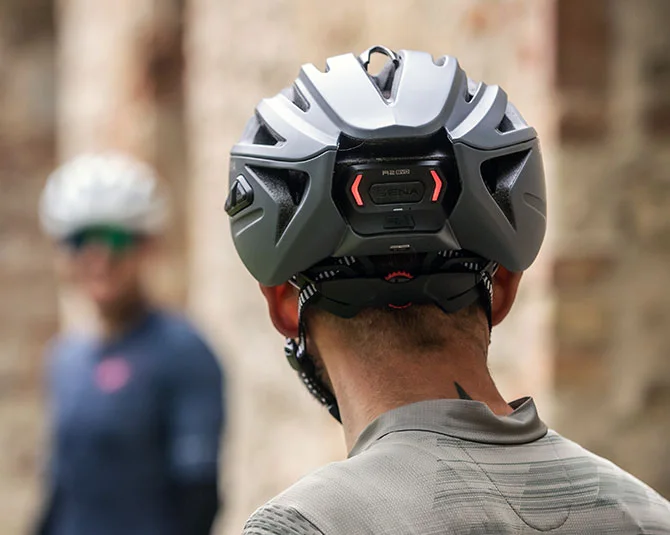 07First rankingGroup ride communication without separate helmet speakers
Sena R2 EVO
ReleasedPublished testing linked$199 USD≈ €178 EURECB 2026-10-12US · Store price · Stock and delivery not verifiedPrice checked 2026-10-12R2 EVO focuses on communication rather than using smart features only for visibility. Integrated speakers, a microphone and Mesh Intercom make it relevant to riders who want to talk within a compatible group. The practical benefit is reducing separate mounted audio equipment and keeping the communication system in one helmet.
Consumer Reports' exact R2 EVO laboratory entry rates impact absorption very good and ventilation, fit adjustment and ease of use excellent. That adds useful independent evidence about the helmet itself. It does not establish microphone performance or validate every later firmware revision, so group compatibility and real riding communication remain separate questions to check before buying.
Choose it after checking helmet fit and the exact intercom generation used by riding partners. Consider whether audible conversation will remain comfortable and appropriate in the intended environment. We have not independently measured wind noise, voice clarity or connection recovery. Its shortlist place reflects a clearly useful group-riding task and a documented integrated design. A solo rider who mainly wants music or lights may find a different helmet and separate accessories a better fit.
Why #7Seventh for compatible group communication. The specialist audio purpose can make it the best personal choice for a riding group despite the lower general shortlist position.
The compromiseIntercom range and battery life depend on use conditions. Group compatibility and distraction management matter; integrated speakers do not make every audio use appropriate on a road.
Release date not verifiedFirst retail releaseA released catalogue product or explicitly labelled professional offering; exact first retail date was not established in this review pass.Evidence and original sources
Manufacturer documentation plus attributed exact-model firsthand or laboratory evidence. No SmartWearGuide hands-on test; results remain specific to the tested conditions.
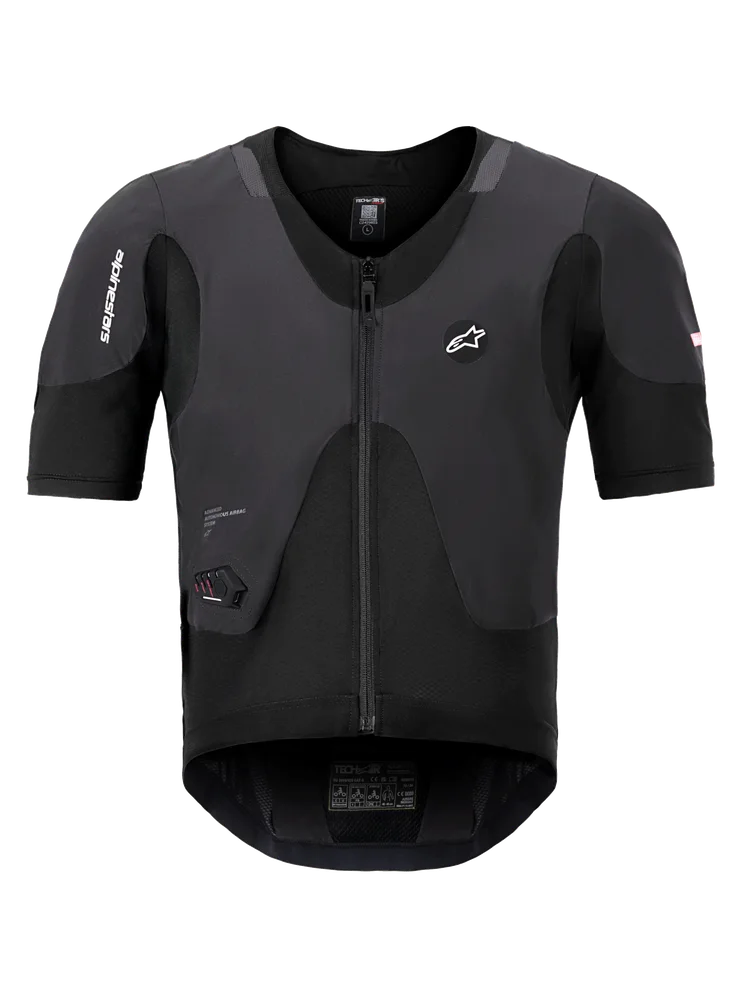 08First rankingA configurable under-jacket motorcycle airbag
Alpinestars Tech-Air 5 Plasma
ReleasedSpecifications-led selection$869.95 USD≈ €778 EURECB 2026-10-12US · Store price · Stock and delivery not verifiedPrice checked 2026-10-13Tech-Air 5 Plasma has a clear protective purpose: an electronically triggered airbag worn beneath suitable motorcycle clothing. Its documented coverage includes the chest, ribs, back and shoulders, with an integrated back protector. The useful comparison is a complete riding system with correct fit and deployment space, not an ordinary connected vest.
Alpinestars documents Street, Off-Road and Race modes, Bluetooth connection and up to thirty hours of battery operation. Modes correspond to different riding conditions and should be selected according to the instructions, not treated as cosmetic presets. The manufacturer also describes user-serviceable canisters where permitted and a deployment-related service schedule.
Purchase through a route that can confirm sizing, garment compatibility and local servicing. The number of permitted deployments does not mean every post-deployment inspection can be skipped, and a user-serviceable part does not make all repairs a home task. We have not tested crash detection or protective performance. Its place recognises a well-defined motorcycle safety function and documented maintenance model, with electronics, certification, correct use and servicing treated as parts of the same system.
Why #8Eighth as a motorcycle-specific selection, not a competitor to cycling helmets or accessibility aids. For a motorcyclist, its relevant protection task takes precedence over the mixed-category order.
The compromiseCompatible outer clothing, correct mode and servicing are essential. Local rules and instructions govern canister replacement; an airbag cannot guarantee protection in every crash.
Release date not verifiedFirst retail releaseA released catalogue product or explicitly labelled professional offering; exact first retail date was not established in this review pass.Evidence and original sources
Provisional selection. Manufacturer-backed research brief; no SmartWearGuide hands-on test. Independent comparative performance is not established.
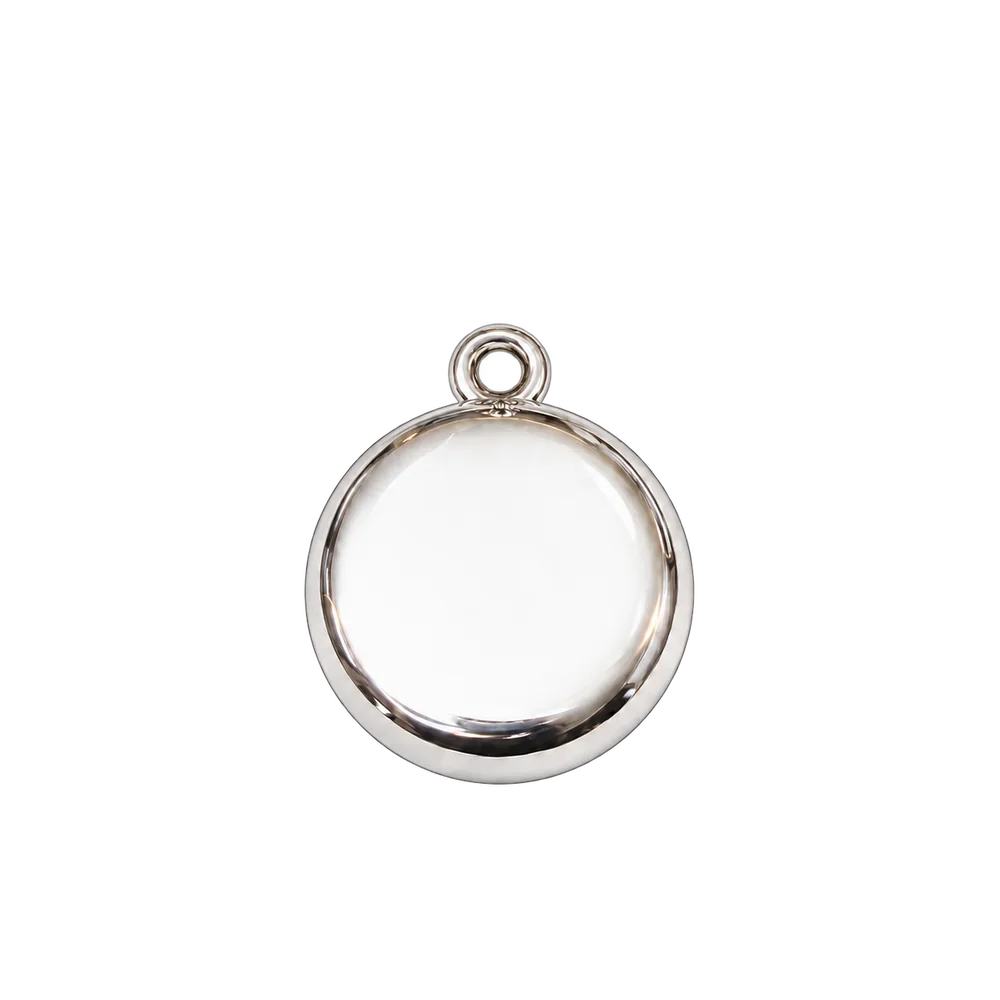 09First rankingA discreet way to initiate an SOS through a phone
invisaWear safety jewelry
ReleasedSpecifications-led selection$49 USD≈ €44 EURECB 2026-10-12US · Store price · In stock in official structured offerPrice checked 2026-10-12invisaWear Safety Charm gives an SOS control a form that can be easier to reach or wear discreetly than a phone. The documented double-press activation is the central feature, with a short cancellation period intended to help manage accidental alerts. This is an intentional alert accessory, not a sensor that independently understands every emergency.
The manufacturer describes a phone app and ADT-connected services, with a battery claim of up to three years without routine charging. That convenience needs to be evaluated alongside service availability and the replacement process at the end of battery life. The charm's connection is only one part of the path from a button press to assistance.
Before buying, verify the supported country, phone requirements, subscription terms and exact response workflow. Practise the permitted test procedure so the wearer and intended contacts understand what happens after activation. We have not tested alert delivery or emergency response. Its place reflects a discreet physical trigger with a clearly defined action, while refusing to equate a successful button press with guaranteed arrival of help. The best accessory is one the wearer can reliably reach and understands.
Why #9Ninth for a discreet manual SOS control. It solves an access-to-phone problem, with service coverage and the response chain more important than the jewellery styling.
The compromiseA compatible phone and supported service are part of the system. Battery longevity does not remove connection, coverage or subscription dependencies, and emergency response is not guaranteed.
Release date not verifiedFirst retail releaseA released catalogue product or explicitly labelled professional offering; exact first retail date was not established in this review pass.Evidence and original sources
Provisional selection. Manufacturer-backed research brief; no SmartWearGuide hands-on test. Independent comparative performance is not established.
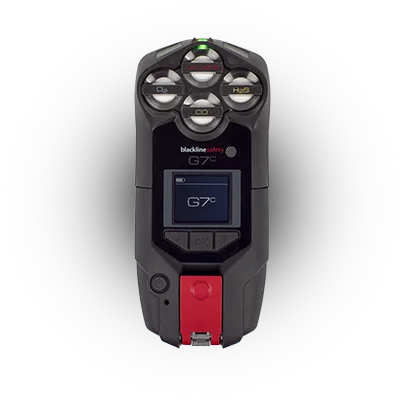 10First rankingConnected gas detection and lone-worker monitoring
Blackline Safety G7c
ReleasedSpecifications-led selectionPrice not verifiedG7c earns the professional slot because it combines a defined occupational measurement with a response workflow. Depending on the cartridge, it can provide gas detection alongside SOS, fall and no-motion alerts, connected to Blackline's monitoring platform. The cartridge configuration determines what is actually measured.
The manufacturer documents cellular connectivity, interchangeable cartridge options and up to eighteen hours of operation under stated conditions. A standard unit, a single-gas device and a multi-gas pump configuration are different procurement choices. They should not be described as one universal monitor simply because the housing and product family are shared.
The right selection begins with the site's hazards, required sensors, calibration procedures and response policy. Connectivity is useful only if the organisation knows who receives an alert and how they act on it. We have not independently tested gas accuracy, alarm timing or network coverage. Its shortlist place reflects the connection between sensing and an operational safety process, with specialist selection, training and maintenance made explicit. It is professional equipment to specify against a risk assessment, not a general personal-safety gadget.
Why #10Tenth as an explicitly occupational system. Within a workplace gas-detection requirement it may be the only relevant item here, so the mixed-category position is not a protection score.
The compromiseChoose the correct cartridge, service and monitoring arrangement. Calibration, training, network conditions and a staffed response process are essential parts of the complete system.
Release date not verifiedFirst retail releaseA released catalogue product or explicitly labelled professional offering; exact first retail date was not established in this review pass.Evidence and original sources
Provisional selection. Manufacturer-backed research brief; no SmartWearGuide hands-on test. Independent comparative performance is not established.
Ranking history
This is the first published edition. Previous positions will appear after a real revision.
Edition 1 · Oct 13, 2026 · Current
2026-10-13: Added ten substantive model-specific reviews, explained placement and tradeoffs, and distinguished firsthand reporting from manufacturer-backed briefs. Follow-up added exact-model firsthand and laboratory evidence to eleven more entries; provisional placement is now explicit.
How we choose and track positions
SmartWearGuide’s order is an editorial judgment from linked specifications and published testing. We have not performed house hands-on tests. We prioritise a useful daily job, fit, compatibility, complete cost, software support and the strength of the evidence. Category-specific criteria appear on each list. Lower-confidence and specialist selections are labelled; a higher rank cannot guarantee a better fit for you.
Current-product lists contain released, unrecalled models and explicitly labelled professional equipment. The Frontier & research selection is a separate research watchlist, not a shopping recommendation. Music & creative wearables explicitly separates eight released choices from two preorder or reservation projects. Best Upcoming covers announced products and early evidence. A released product is not necessarily in stock in your country. No brand pays for a place in these lists.
History begins with the first edition published here. Each substantive revision appends a dated edition and reason; past editions are preserved. Up, down and previous position compare the latest two published editions of the same list. We do not invent an earlier chart, move products to manufacture news, or turn an announcement date into a shipment date.