
Our Top 10 Sleep and recovery wearables
Ten ways to address noise, light, relaxation and recovery sessions.
Browse & filter Categories, features & sorting
How price order works
Lowest recorded store prices take priority over announced or launch prices, within the selected source market. Currencies use the dated EUR reference rates. Deposits and recurring charges are excluded from price order; missing prices stay last. Original price records remain visible.
10 current selections
 01First rankingSide sleepers prioritising low-frequency noise reduction
Soundcore Sleep A30 / A30 Special
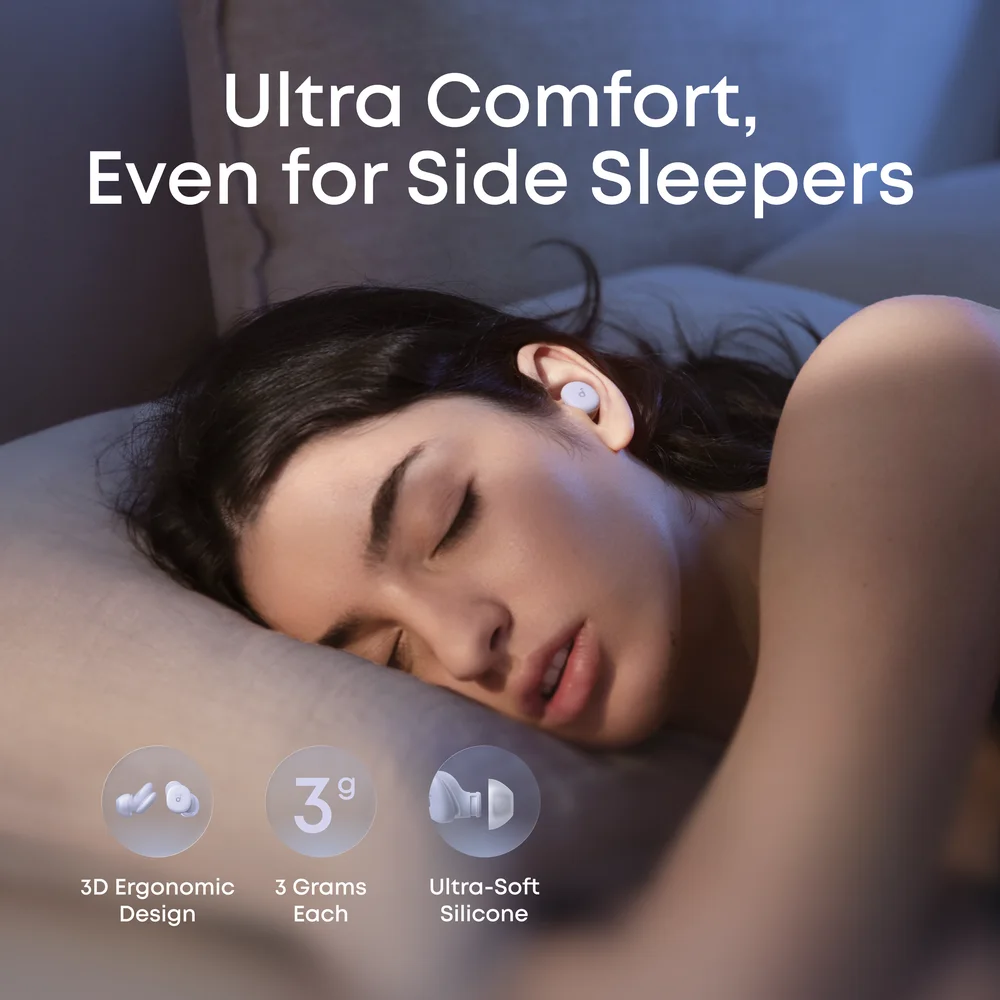
ReleasedPublished testing linked$199.99 USD≈ €179 EURECB 2026-10-12US · New · Store price · Manufacturer listing; checkout and stock not independently verifiedPrice checked 2026-10-12Sleep A30 has a persuasive reason to lead this list: it addresses both the shape of an earbud on a pillow and the background noise that keeps people awake. Unlike passive-only sleep buds, it adds active noise cancellation. Adam Birney's one-week SoundGuys test found the fit comfortable and the ANC useful against low-frequency noise; the review unit was supplied by the company.
The compromise is overnight endurance. Birney reported 7 hours 33 minutes in his battery test and unreliable touch responses, useful reminders that a quoted case total does not tell you whether the buds last until morning. His snore test used a recording rather than a sleeping partner, and sleep tracking was unavailable in that early test. Those limits prevent us treating every advertised feature as independently verified.
A prospective buyer should decide whether cancellation is needed throughout the night or only while falling asleep. That changes the battery tradeoff considerably. Test the seal with the supplied tips before judging the electronics: even effective ANC cannot make an unsuitable fit comfortable on a pillow.
Why #1First for the combination of sleep-shaped fit and an independently observed ANC benefit. Choose A20 instead if passive masking and longer advertised local playback better match the problem.
The compromiseANC, Bluetooth and local playback have different battery demands. These earbuds are a noise-management choice, not a treatment for insomnia or a guarantee of hearing alarms.
Release date not verified [1]Documented product in the stated source market; destination availability and checkout not tested.Exact initial release date is not established in this review brief. Current catalogue status is Released; clinical eligibility and local access may differ.Evidence and original sources
Manufacturer documentation plus attributed firsthand reporting; SmartWearGuide has not tested this model.
 02First rankingLong local playback without active noise cancellation
Soundcore Sleep A20
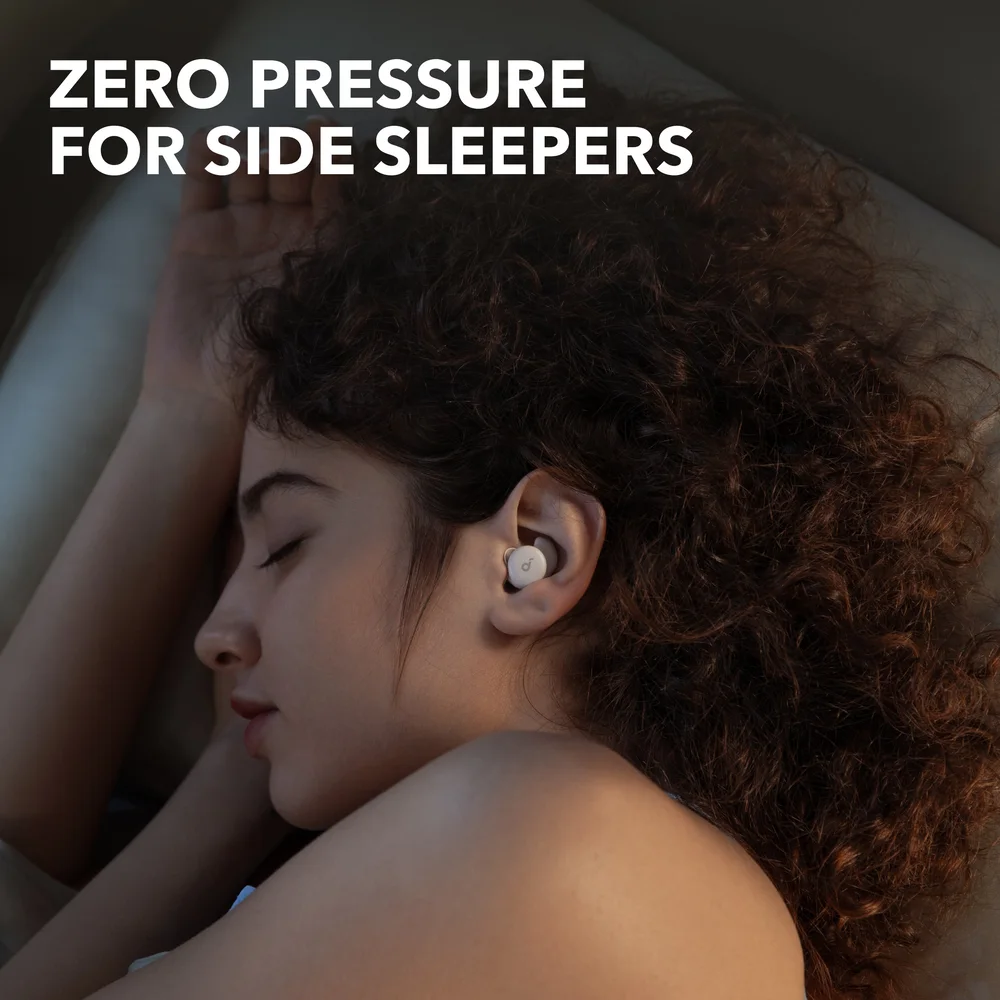
ReleasedPublished testing linked$179.99 USD≈ €161 EURECB 2026-10-12US · New · Store price · Manufacturer listing; checkout and stock not independently verifiedPrice checked 2026-10-12Sleep A20 is the sensible alternative when the goal is a low-profile earbud and a steady masking sound rather than the most elaborate feature list. Soundcore documents passive sealing and local sleep audio, with a longer advertised sleep-mode runtime than the A30. The absence of ANC is a tradeoff a buyer can actually understand: less electronic cancellation, but fewer active features competing for battery.
The distinction between local sleep mode and Bluetooth is essential. The manufacturer's 14-hour figure applies to sleep mode, while Bluetooth has its own shorter claim. It is therefore more useful to choose the intended nightly routine first than compare the largest number printed beside each charging case. Tip comfort and seal will determine much of the real experience.
Adam Birney tested A20 for SoundGuys across four nights with a supplied unit. He found the buds comfortable against a pillow and secure while changing sleeping position. His criticism was specific: passive isolation was weak at low frequencies, and some included sound recordings were unconvincing. That supports A20 as a comfortable masking option, while explaining why the A30 earns its higher place when low-frequency cancellation is the priority.
Why #2Second as the straightforward passive-masking option. It can be a better personal choice than A30 even though it lacks the newer model's active cancellation.
The compromiseNo ANC means low-frequency external noise is not actively cancelled, consistent with Birney's test. Some included sound recordings disappointed him; sleep movement estimates are not a clinical sleep study.
Release date not verified [1]Documented product in the stated source market; destination availability and checkout not tested.Exact initial release date is not established in this review brief. Current catalogue status is Released; clinical eligibility and local access may differ.Evidence and original sources
Manufacturer documentation plus a named exact-model firsthand report. Individual experience and test date are retained; SmartWearGuide has not tested this model.
 03First rankingLightweight bedtime listening and a private alarm
Ozlo Sleepbuds 2
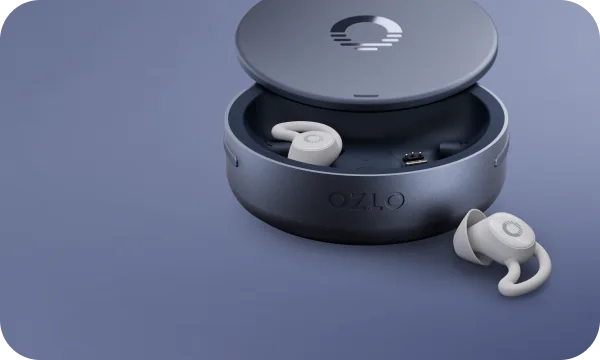
ReleasedSpecifications-led selection$279 USD≈ €250 EURECB 2026-10-12US · Store price · ListedPrice checked 2026-10-12Ozlo Sleepbuds 2 puts the emphasis on small, light earbuds, masking audio and an alarm heard in the ears. That is a coherent product for people who want their bedtime listening separate from their daytime headset. The current exact-generation specification lists 1.6 g per bud and up to 14 hours of playback, both attractive on paper for overnight wear.
There is no active noise cancellation in this model's documented approach. The seal and the masking sound do the work, which makes trying the supplied tip sizes more important than expecting electronic silence. Streaming support is useful if the preferred wind-down routine is an audiobook or familiar audio rather than the brand's library. We have not borrowed first-generation reviews to prove second-generation reliability.
The private alarm can be useful when two people wake at different times. It is still worth testing the alarm routine while awake and confirming the intended volume and battery state. A bedtime device should make mornings more predictable rather than create a new dependency you have not checked.
Why #3Third for its focused listening and alarm workflow, with the exact-generation evidence limitation made explicit. A30 remains ahead for a verified active-cancellation advantage.
The compromiseFit is personal and the advertised 14-hour battery figure is a manufacturer claim. The absence of a microphone also makes this a specialised sleep product rather than an everyday calling headset.
Release date not verified [1]Documented product in the stated source market; destination availability and checkout not tested.Exact initial release date is not established in this review brief. Current catalogue status is Released; clinical eligibility and local access may differ.Evidence and original sources
Manufacturer-based technical brief. No exact-model independent hands-on test verified for this entry; SmartWearGuide has not tested it.
 04First ranking$109.99 USD≈ €98 EURECB 2026-10-12US · New · Store price · Manufacturer listing; checkout and stock not independently verifiedPrice checked 2026-10-12
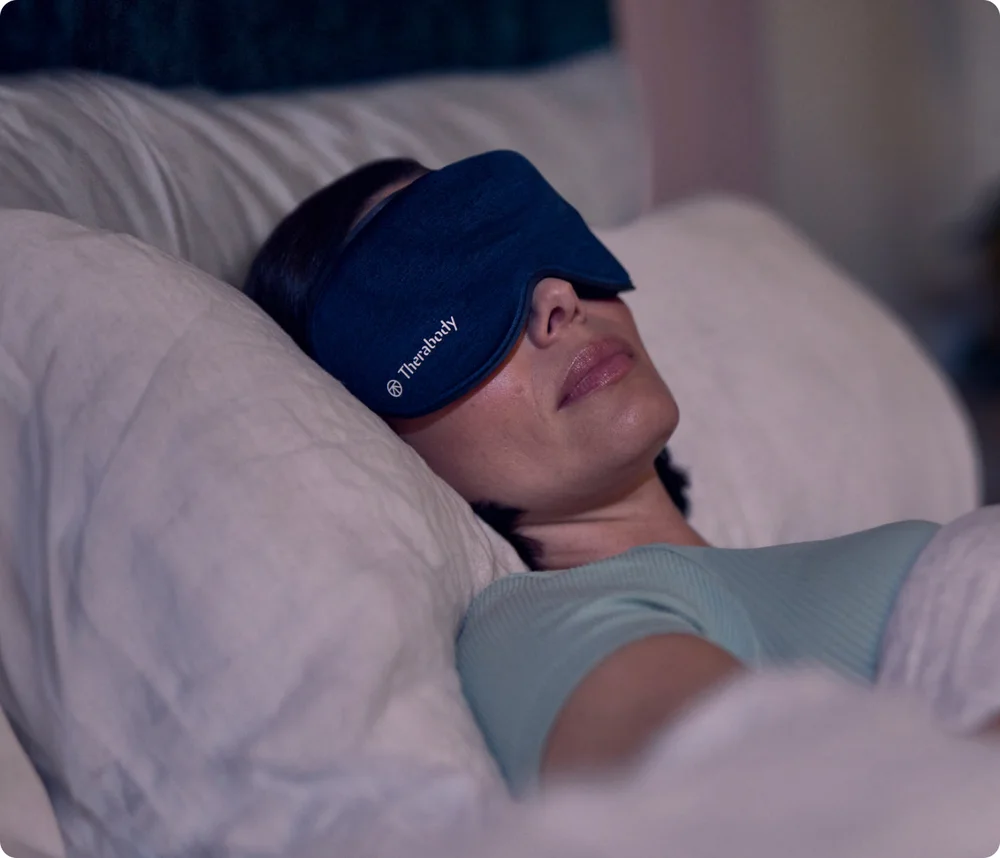
SleepMask's appeal is its restraint. At a documented 66 g, it is substantially lighter than Therabody's larger heated goggles and concentrates on blocking light with optional vibration. Someone who wants a repeatable wind-down ritual may prefer that smaller commitment to putting on a much heavier device with several simultaneous modes.
The adjustable strap and soft construction are more relevant to nightly use than an app dashboard would be. Therabody lists up to 240 minutes of battery operation, but that should be read as available vibration time rather than a promise of better sleep. Its best case is helping a user settle into a comfortable routine that they already find pleasant.
Bethan Morgan first tried SleepMask at a Therabody event, then used it at home for her T3 review. She liked the cushioned material, easy adjustment and simple vibration control. Her useful caveat was noise when the vibrating mask touched a pillow or another object. That makes the recommendation more specific: it is attractive if the tactile sensation is soothing to you, but a quiet passive mask may suit a noise-sensitive side sleeper better.
Why #4Fourth for a simple, comparatively light wearable with an understandable purpose. It ranks above more elaborate stimulation products because the intended experience is easier to assess personally.
The compromiseVibration may annoy rather than relax some people, and T3 found contact with a pillow could make it noisy. This is comfort evidence, not proof of improved sleep architecture or insomnia treatment.
Release date not verified [1]Documented product in the stated source market; destination availability and checkout not tested.Exact initial release date is not established in this review brief. Current catalogue status is Released; clinical eligibility and local access may differ.Evidence and original sources
Manufacturer documentation plus a named exact-model firsthand report. Individual experience and test date are retained; SmartWearGuide has not tested this model.
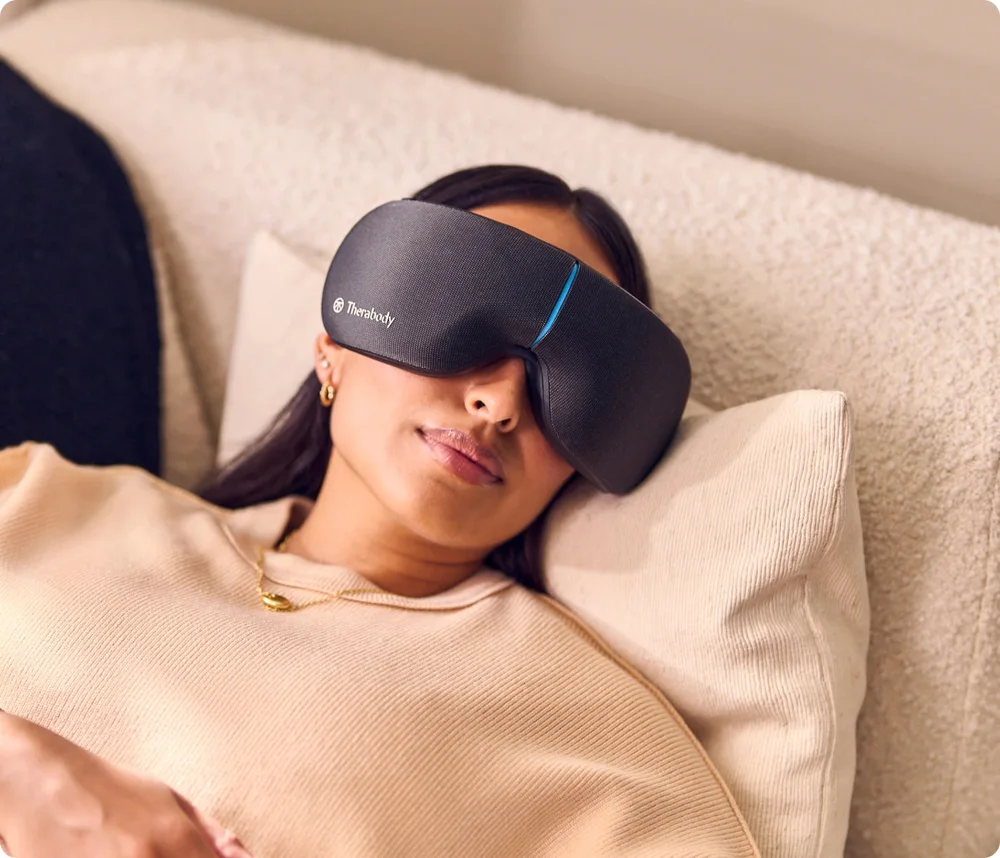 05First rankingHeated eye-area relaxation before bed
Therabody SmartGoggles Gen 2
ReleasedSpecifications-led selection$219.99 USD≈ €197 EURECB 2026-10-12US · New · Store price · Manufacturer listing; checkout and stock not independently verifiedPrice checked 2026-10-12SmartGoggles Gen 2 makes sense as a short relaxation session before sleep, not as an overnight mask. Heat and vibration are the main experience, with a heart-rate sensor used for the branded SmartRelax mode. The second generation's documented 390 g weight is lower than the original, though still substantial next to the company's simple SleepMask.
The useful question is whether warmth and pressure around the eyes feel comfortable enough to make the routine worthwhile. Therabody's 180-minute battery figure gives room for multiple sessions, but it does not tell us how a particular face shape will tolerate the fit. Sensor-led personalisation also should not be confused with a demonstrated medical effect.
The foldable design helps storage, but the goggles still occupy the face for a dedicated session. If you want to read or work while relaxing, that matters. If the aim is to put the phone down before bed, the same constraint may be welcome.
Why #5Fifth as a richer relaxation option for users who specifically want heat. SleepMask stays ahead for lower weight and a simpler bedtime job.
The compromiseAt 390 g it is not a light sleeping mask. Check the current eye-related contraindications and instructions, and do not infer that a heart-rate sensor proves better sleep outcomes.
Release date not verified [1]Documented product in the stated source market; destination availability and checkout not tested.Exact initial release date is not established in this review brief. Current catalogue status is Released; clinical eligibility and local access may differ.Evidence and original sources
Manufacturer-based technical brief. No exact-model independent hands-on test verified for this entry; SmartWearGuide has not tested it.
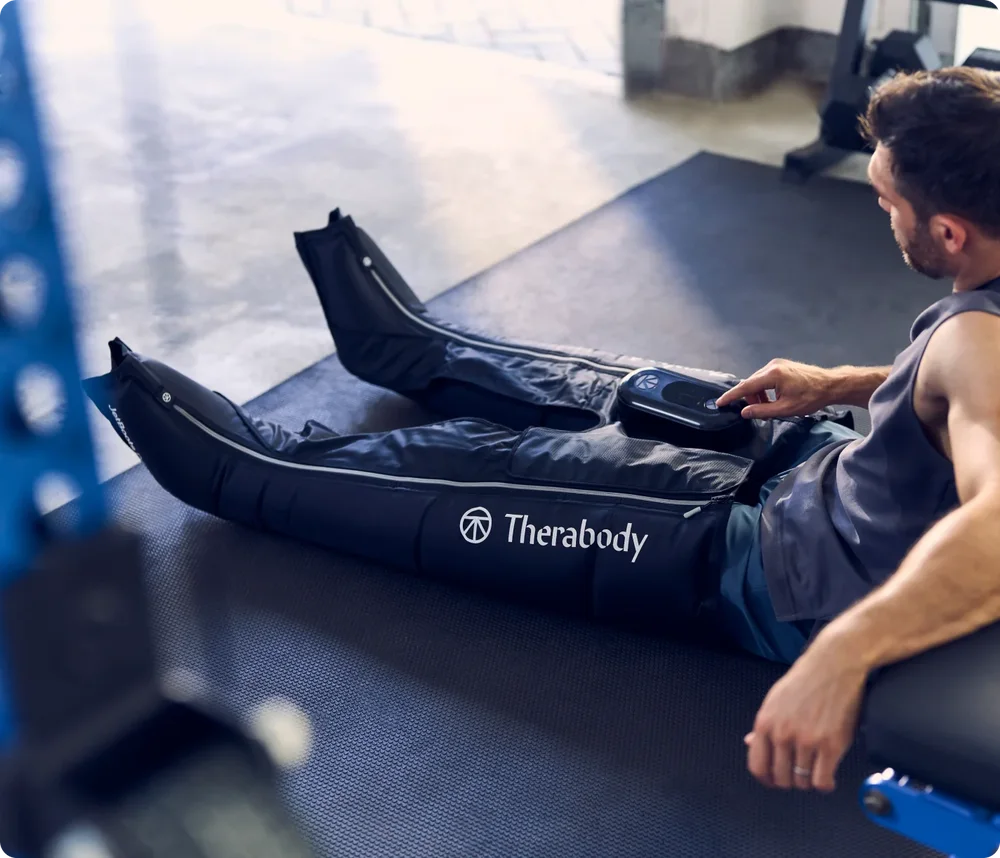 06First rankingConvenient leg-compression sessions after training
Therabody JetBoots Prime
ReleasedPublished testing linked$549.99 USD≈ €492 EURECB 2026-10-12US · New · Store price · Manufacturer listing; checkout and stock not independently verifiedPrice checked 2026-10-12JetBoots Prime removes one of the practical annoyances of compression boots: a separate pump and the hoses that connect to it. The pumps are integrated into the boots, so the appeal is a cleaner setup for a seated recovery routine. Four overlapping chambers and a documented 25-100 mmHg pressure range give the user a defined set of controls.
The settings are deliberately coarser than on the Pro Plus: 25 mmHg steps and a small selection of session lengths. That can be a virtue if the aim is to sit down and start rather than configure every detail. The product should be judged on whether the compression feels useful and is convenient enough to use, not on an assumption that extra sessions guarantee faster athletic recovery.
Tyler Chin's GQ test, updated with months of use, describes compression he enjoyed after training. More practically, he notes that the connected boots cannot be used independently and that the control panel lacks a remaining-time countdown. That reinforces our convenience-led verdict: Prime is a seated routine with straightforward controls, not something to wear while moving around. His soreness experience is subjective, not a controlled recovery study.
Why #6Sixth and our first compression option for its simple integrated setup. It is a different job from sleep earbuds, not a claim that compression improves sleep more than audio.
The compromiseFit, pressure tolerance and medical suitability matter. Follow the manufacturer's contraindications; this is not a substitute for assessing unexplained swelling or leg pain.
Release date not verified [1]Documented product in the stated source market; destination availability and checkout not tested.Exact initial release date is not established in this review brief. Current catalogue status is Released; clinical eligibility and local access may differ.Evidence and original sources
Manufacturer documentation plus a named exact-model firsthand report. Individual experience and test date are retained; SmartWearGuide has not tested this model.
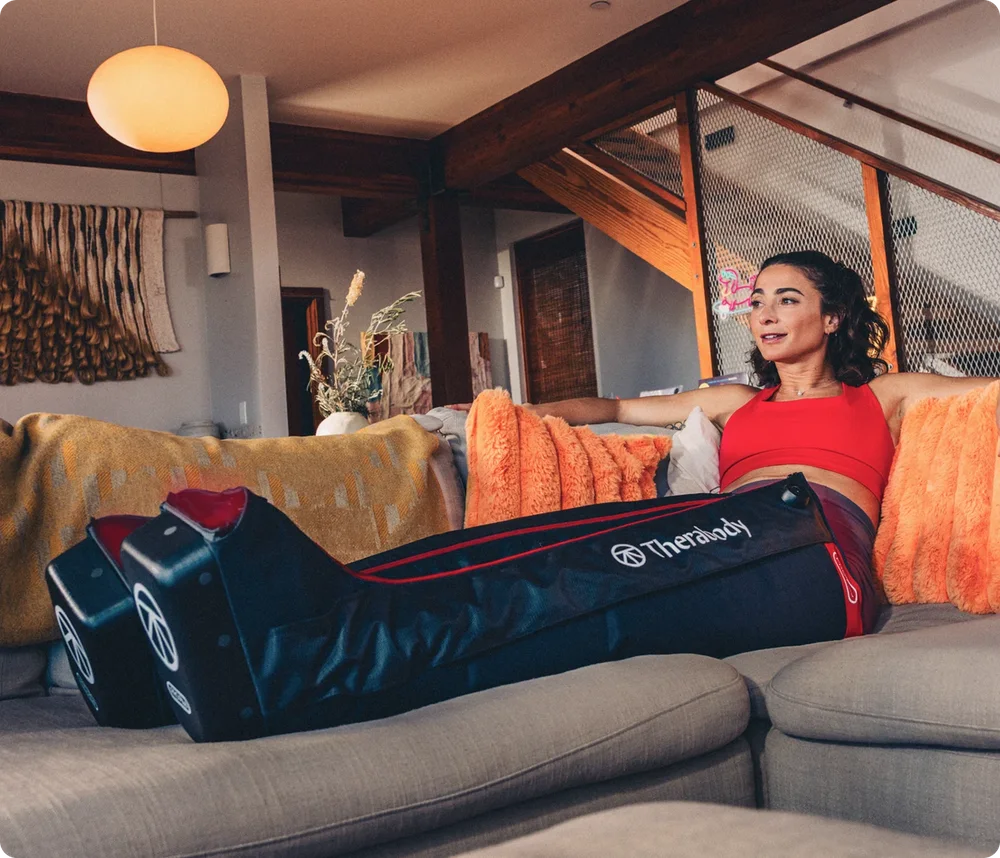 07First rankingAdjustable compression with additional session features
Therabody JetBoots PRO Plus
ReleasedSpecifications-led selection$1,149.99 USD≈ €1,029 EURECB 2026-10-12US · New · Store price · Manufacturer listing; checkout and stock not independently verifiedPrice checked 2026-10-12JetBoots Pro Plus is the more configurable compression choice. Compared with Prime, the manufacturer documents smaller pressure increments, finer session timing and additional vibration and infrared output. Those controls may appeal to someone who already uses compression and knows which setting they want to change, rather than a first-time buyer drawn to the longest feature list.
The cost of that flexibility includes physical bulk: the regular size is listed at 5.5 kg. The additional outputs are features, not proof of an additive recovery benefit. A buyer should ask whether they would actually use the finer adjustments and whether storage, transport and charging fit their routine before choosing this over the simpler Prime.
Compare Prime first, then identify which specific Pro Plus adjustment you would miss. Five-mmHg pressure steps and finer timing are tangible differences. Buying the additional infrared and vibration features without a clear use for them risks paying for complexity rather than a more workable recovery habit.
Why #7Seventh for experienced users who value adjustment. Prime ranks ahead because its easier proposition is sufficient for many seated compression sessions.
The compromiseThe boot weight and complexity reduce portability. Infrared and vibration claims need their own evidence; more modalities do not establish better recovery or justify use despite contraindications.
Release date not verified [1]Documented product in the stated source market; destination availability and checkout not tested.Exact initial release date is not established in this review brief. Current catalogue status is Released; clinical eligibility and local access may differ.Evidence and original sources
Manufacturer-based technical brief. No exact-model independent hands-on test verified for this entry; SmartWearGuide has not tested it.
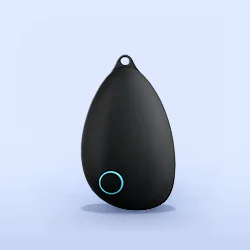 08First ranking£299 GBP≈ €354 EUR · $396 USDECB 2026-10-12UK · Store price · ListedPrice checked 2026-10-12
Sensate pairs a chest-resting vibration device with soundscapes played through separate headphones. Its appeal is a deliberately bounded break: lie or sit back, choose a session and let the audio and vibration provide a focus. That can suit someone who finds a plain meditation timer unengaging but does not want an all-night wearable.
The maker describes sessions of 10-30 minutes and an optional content subscription. The hardware is not documented here as a physiological sensing system, so the experience should be assessed as a guided relaxation aid rather than a device proving it has changed nervous-system health. The distinction matters when marketing language makes a pleasant sensation sound like a medical mechanism.
Nicola Appleton tried Sensate alongside free relaxation practices for Tom's Guide. She appreciated the low-effort routine but concluded that spending on the device was optional, rather than necessary to make time for relaxation. That is the right scale of recommendation here: a convenient focus for a break if you enjoy vibration and sound. Her personal comparison does not establish equivalent medical effects or validate the product's vagus-nerve marketing.
Why #8Eighth for a clear, short-session experience with modest practical demands. It stays below simpler masks and earbuds because the additional benefit is more subjective.
The compromiseSeparate headphones and a phone are part of the routine. Optional content costs should be checked, and physiological or therapeutic claims are not independently established by this brief.
Release date not verified [1]Documented product in the stated source market; destination availability and checkout not tested.Exact initial release date is not established in this review brief. Current catalogue status is Released; clinical eligibility and local access may differ.Evidence and original sources
Manufacturer documentation plus a named exact-model firsthand report. Individual experience and test date are retained; SmartWearGuide has not tested this model.
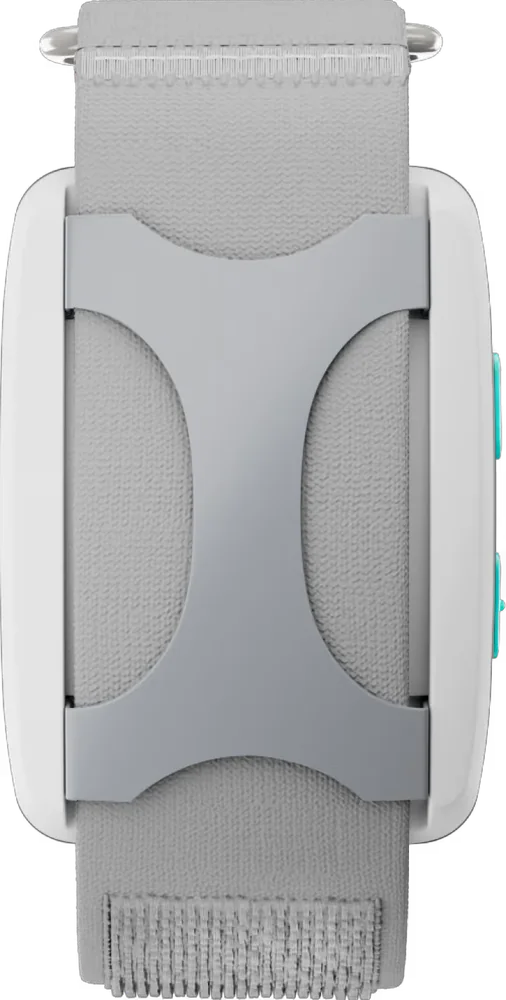 09First rankingScheduling discreet vibration reminders through the day
Apollo wearable
ReleasedPublished testing linked$368 USD≈ €329 EURECB 2026-10-12US · Membership bundle · ListedPrice checked 2026-10-12Apollo's distinctive feature is that its vibration routines can be worn at the wrist, ankle or on a clip instead of requiring the user to lie down with a larger device. App-selected intensity, duration and scheduling make it a candidate for people who want a tactile prompt to pause during a busy day as well as a bedtime ritual.
This is a vibration-delivery product in the reviewed documentation, not a health monitor continuously measuring whether a session works. The choice therefore rests on whether the pattern is comfortable, unobtrusive and personally useful. The available SmartVibes membership adds another ownership decision: establish what the base device does and what recurring software features contribute before committing.
Bridget Chapman's Sleepopolis test found Apollo easy to set up and its app straightforward. She described the vibrations as gentle, but needed to adjust ankle placement for comfortable side sleeping and charged the device daily during her use. Those are tangible ownership observations. Her report predates current software offers, so its older no-subscription description should not override today's optional SmartVibes membership. The useful case remains a wearable tactile prompt, not a proven treatment.
Why #9Ninth for flexible wear and scheduling, with a more subjective benefit than noise blocking or blackout. Our position does not endorse a medical stress or anxiety treatment claim.
The compromiseResponses to vibration differ. Subscription features and app support affect long-term value, while the documentation reviewed does not justify guaranteed sleep or nervous-system outcomes.
Release date not verified [1]Documented product in the stated source market; destination availability and checkout not tested.Exact initial release date is not established in this review brief. Current catalogue status is Released; clinical eligibility and local access may differ.Evidence and original sources
Manufacturer documentation plus a named exact-model firsthand report. Individual experience and test date are retained; SmartWearGuide has not tested this model.
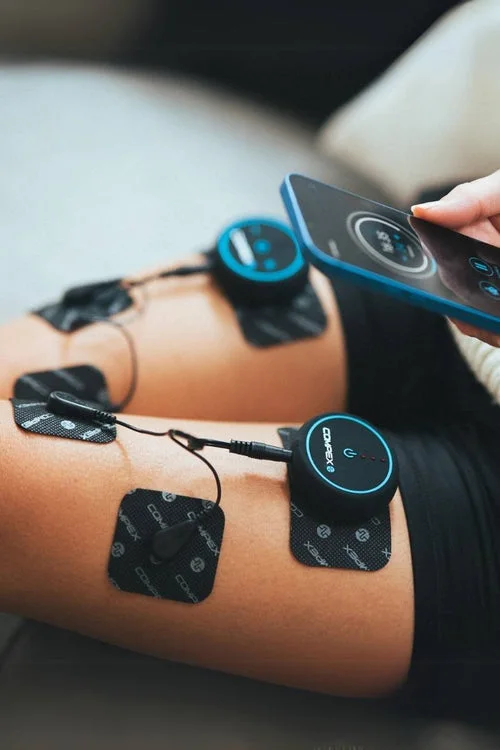 10First rankingUsers seeking app-controlled muscle-stimulation sessions
Compex Mini
ReleasedSpecifications-led selection$249.99 USD≈ €224 EURECB 2026-10-12US · Store price · Manufacturer lists in stock; orders ship in one to three business daysPrice checked 2026-10-13Compex Mini packages electrical stimulation into two small wireless pods used with adhesive electrodes. That reduces cable clutter compared with a larger traditional unit and lets the phone handle programme selection. The manufacturer lists six programmes, making it a focused stimulation tool rather than a broad recovery dashboard.
Ownership includes learning correct electrode placement and replacing consumable pads, not just charging the pods. Regional listings also disagree on advertised battery duration: the international page states up to eight hours and the US page up to six. Keeping that discrepancy visible is more useful than selecting the larger figure and presenting it as a universal promise.
Electrode pads introduce both a consumable cost and a preparation step absent from compression boots. If the pads lose adhesion or are positioned poorly, a small wireless pod does not make the session convenient. Check replacement-pad availability in the same market as the device.
Why #10Tenth as a specialised option for users who specifically need the documented stimulation workflow. It is not our default sleep product or an automatic substitute for exercise and rehabilitation.
The compromiseElectrical stimulation has important use restrictions and placement instructions. Check the exact regional kit and clinician advice where relevant; app control does not establish suitability for every user.
Release date not verified [1]Documented product in the stated source market; destination availability and checkout not tested.Exact initial release date is not established in this review brief. Current catalogue status is Released; clinical eligibility and local access may differ.Evidence and original sources
Manufacturer-based technical brief. No exact-model independent hands-on test verified for this entry; SmartWearGuide has not tested it.
Ranking history
This is the first published edition. Previous positions will appear after a real revision.
Edition 1 · Oct 13, 2026 · Current
Expanded October 13, 2026: original use-case analysis, explicit ranking reasons, practical limitations and transparent source quality.
How we choose and track positions
SmartWearGuide’s order is an editorial judgment from linked specifications and published testing. We have not performed house hands-on tests. We prioritise a useful daily job, fit, compatibility, complete cost, software support and the strength of the evidence. Category-specific criteria appear on each list. Lower-confidence and specialist selections are labelled; a higher rank cannot guarantee a better fit for you.
Current-product lists contain released, unrecalled models and explicitly labelled professional equipment. The Frontier & research selection is a separate research watchlist, not a shopping recommendation. Music & creative wearables explicitly separates eight released choices from two preorder or reservation projects. Best Upcoming covers announced products and early evidence. A released product is not necessarily in stock in your country. No brand pays for a place in these lists.
History begins with the first edition published here. Each substantive revision appends a dated edition and reason; past editions are preserved. Up, down and previous position compare the latest two published editions of the same list. We do not invent an earlier chart, move products to manufacture news, or turn an announcement date into a shipment date.